
 admin
admin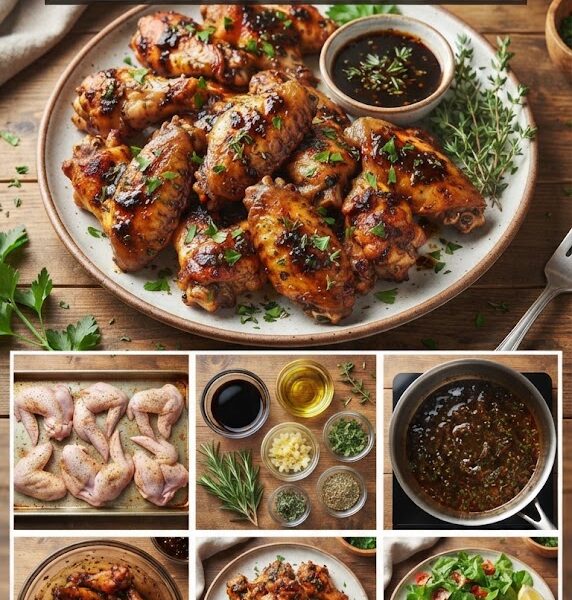
In the world of comfort food, few things reign supreme like a basket of perfectly crispy chicken wings. They are the universal language of game days, Friday nights, and casual gatherings. However, for those of us keeping an eye on our carbohydrate intake, the typical wing experience can be a minefield. Standard buffalo wings are often dredged in flour, and popular sauces like honey BBQ or sweet chili are essentially liquid sugar.
Enter the Balsamic Herb Chicken Wing. This isn’t just a “diet” version of a classic; it is a sophisticated, flavor-packed evolution of the dish. By combining the deep, complex acidity of balsamic vinegar with a garden-fresh herb profile, you create a wing that is savory, tangy, and naturally low-carb. When executed correctly, these wings achieve a level of crunch that rivals any deep-fryer, all while staying firmly within the bounds of a healthy, ketogenic, or paleo lifestyle.
The Science of the Perfect Low-Carb Crunch
The biggest challenge in home-cooked wings is achieving that shattered-glass crispiness without the use of a commercial deep fryer or high-carb breading. To make wings that are truly “better than takeout,” we must turn to science.
The Secret Ingredient: Aluminum-Free Baking Powder
If you want crispy skin without flour or cornstarch, baking powder is your best friend. When you coat raw chicken wings in a small amount of baking powder and salt, a chemical reaction occurs. The baking powder raises the pH level of the skin, which allows the proteins to break down more efficiently. This results in skin that browns more deeply and becomes significantly crispier than it would on its own. It creates tiny blisters on the surface, increasing the surface area and providing that satisfying crunch.
The Drying Process
Moisture is the enemy of crispiness. Before you even think about seasoning your wings, you must pat them bone-dry with paper towels. For the absolute best results, professional chefs recommend “air-drying” the wings in the refrigerator on a wire rack for 4 to 24 hours. This dehydrates the skin, ensuring that when the heat hits, the fat renders out immediately rather than steaming the meat.
Understanding the Balsamic Herb Profile
Balsamic vinegar is often misunderstood in the low-carb community. While it does contain more natural sugars than white distilled vinegar, its flavor is so concentrated that a little goes a long way. When reduced and balanced with fats and herbs, it creates a glaze that clings to the wings without the need for thickeners like cornstarch.
Selecting Your Vinegar
For this recipe, you don’t need a $100 bottle of traditional extra-vecchio balsamic, but you should avoid the “balsamic glazes” sold in grocery stores. Those glazes are almost always thickened with sugar and corn syrup. Look for a high-quality Balsamic Vinegar of Modena (IGP) where the only ingredients are grape must and wine vinegar.
The Herb Symphony
To balance the acidity of the balsamic, we use a robust blend of herbs:
- Rosemary: Provides an earthy, pine-like aroma that stands up to the char of the wings.
- Thyme: Adds a subtle minty, lemony undertone.
- Oregano: Brings a classic Mediterranean savory note.
- Garlic: Because no wing is complete without the pungent, buttery depth of roasted garlic.
The Ultimate Low-Carb Balsamic Herb Wings Recipe
This recipe is designed for maximum flavor impact with minimal glycemic load. We will focus on the oven-baked method, but these can also be adapted for the air fryer or grill.
Ingredients
For the Wings:
- 3 lbs Chicken wings (flats and drums separated, tips removed)
- 1 tbsp Aluminum-free baking powder
- 1 tsp Sea salt
- 1/2 tsp Black pepper
- 1/2 tsp Garlic powder
For the Balsamic Herb Sauce:
- 1/2 cup High-quality balsamic vinegar
- 2 tbsp Extra virgin olive oil or melted grass-fed butter
- 3 cloves Garlic, minced
- 1 tbsp Fresh rosemary, finely chopped
- 1 tbsp Fresh thyme, chopped
- 1 tsp Dried oregano
- 1/4 tsp Crushed red pepper flakes (optional, for heat)
- A pinch of Stevia or Erythritol (optional, to mimic the sweetness of traditional balsamic glaze)
Step-by-Step Preparation
1. Prep and Dry the Chicken
Start by thoroughly drying your chicken wings with paper towels. Place them in a large mixing bowl. In a small ramekin, whisk together the baking powder, salt, pepper, and garlic powder. Sprinkle this mixture over the wings and toss them vigorously until every wing is evenly coated in a thin, dusty layer.
2. The First Bake (Rendering the Fat)
Preheat your oven to 250°F (120°C). Line a large baking sheet with foil and place a wire cooling rack on top. Arrange the wings in a single layer on the rack, ensuring they aren’t touching. This “low and slow” start allows the fat to begin rendering without burning the skin. Bake for 20 minutes.
3. The High-Heat Blast
Increase the oven temperature to 425°F (220°C). Continue baking the wings for another 30–40 minutes. You are looking for the skin to turn a deep golden brown and become visibly crispy. Flip them halfway through this stage to ensure even browning.
4. Crafting the Balsamic Herb Glaze
While the wings are in their final stage of baking, prepare the sauce. In a small saucepan over medium heat, add the balsamic vinegar. If you are using a sweetener, add it now. Bring to a light simmer and let it reduce by about half. It should become slightly syrupy but not thick like molasses.
Once reduced, remove from heat. Stir in the olive oil (or butter), minced garlic, rosemary, thyme, oregano, and red pepper flakes. The residual heat will soften the garlic and release the essential oils from the herbs without burning them.
5. The Final Toss
Once the wings are out of the oven and piping hot, transfer them to a clean large bowl. Pour the balsamic herb sauce over the wings and toss until every crevice is coated. The sauce will hit the hot skin and create a beautiful, aromatic glaze.
Why This Recipe Beats Takeout
When you order wings from a restaurant, you are often getting a product that has been frozen, breaded in GMO flour, and fried in inflammatory seed oils (like soybean or canola oil). By making them at home, you control the quality of every ingredient.
- Healthy Fats: Using olive oil or grass-fed butter provides stable, healthy fats that support brain health and satiety.
- Anti-Inflammatory Herbs: Fresh rosemary and thyme are loaded with antioxidants and anti-inflammatory compounds.
- Blood Sugar Control: By avoiding honey, brown sugar, and flour, you prevent the insulin spike associated with traditional “sweet and tangy” wings.
- Zero Trans Fats: Deep fryers in restaurants are rarely cleaned daily, leading to the breakdown of oils into harmful trans fats. Baking at home eliminates this risk.
Customizing Your Wings: Variations to Try
While the Balsamic Herb profile is a winner on its own, you can tweak the recipe to suit your specific palate.
- The “Kickin’ Balsamic”: Add a tablespoon of sugar-free hot sauce or an extra teaspoon of red pepper flakes to the glaze for a spicy-sweet-tangy fusion.
- Creamy Balsamic: After tossing the wings in the sauce, drizzle them with a bit of homemade lemon-tahini dressing or a low-carb blue cheese dip.
- Lemon-Balsamic: Add the zest of one whole lemon to the sauce at the very end for a bright, citrusy lift that cuts through the richness of the chicken.
The Best Way to Serve Low-Carb Wings
Presentation and sides are what turn a snack into a meal. To keep the meal low-carb, skip the fries and the sugary coleslaw.
Low-Carb Side Ideas:
- Cucumber and Feta Salad: A light, refreshing side that complements the acidity of the balsamic.
- Roasted Radishes: When roasted, radishes lose their bite and take on a texture similar to small potatoes.
- Celery and Homemade Ranch: Use a base of avocado oil mayo and sour cream with plenty of fresh dill and chives.
- Cauliflower “Mac” and Cheese: A decadent side that pairs perfectly with the herb-heavy wings.
Mastering the Air Fryer Method
If you have an air fryer, you can achieve incredible results in less time.
- Prep the wings with the baking powder mixture as described above.
- Place them in the air fryer basket (don’t over-crowd!).
- Air fry at 360°F for 15 minutes to render the fat.
- Increase the heat to 400°F and fry for another 5–10 minutes until they are “shatter-crispy.”
- Toss in the sauce and serve immediately.
Troubleshooting Common Issues
My wings aren’t crispy!
This usually happens for three reasons:
- The wings weren’t dry enough before seasoning.
- You used too much baking powder (it only takes a light dusting).
- The oven temperature wasn’t high enough during the final stage.
The sauce is too thin!
If your balsamic reduction is too runny, let it simmer for a few minutes longer. Remember that it will thicken as it cools slightly and even more once it hits the wings. If you want an even thicker sauce without carbs, you can whisk in a tiny pinch (1/8 teaspoon) of Xanthan gum while the sauce is simmering.
The herbs are burning!
Never add fresh herbs to the wings while they are baking at 425°F. They will turn bitter and black. Always add the fresh herbs to the sauce and toss at the end to preserve their vibrant flavor and color.
Nutritional Benefits of Chicken Wings
Despite their reputation as “junk food,” chicken wings are actually quite nutritious when prepared properly. They are an excellent source of:
- Selenium: Supports thyroid function and protects the body from oxidative stress.
- Vitamin B6: Essential for brain development and keeping the nervous and immune systems healthy.
- Collagen: Wing skin and joints are rich in collagen, which supports skin elasticity and joint health.
- High-Quality Protein: Essential for muscle repair and metabolic health.
The Role of Balsamic Vinegar in Digestion
Balsamic vinegar isn’t just a flavor enhancer; it has been used for centuries as a digestive aid. The acetic acid in vinegar can help improve insulin sensitivity and may help the body break down proteins more effectively. This makes it a perfect pairing for a protein-heavy dish like chicken wings.
Storing and Reheating for Maximum Quality
If you happen to have leftovers (a rare occurrence with this recipe), storage and reheating are key to maintaining that “better than takeout” quality.
- Storage: Keep wings in an airtight container in the refrigerator for up to 3 days.
- Reheating: Never use the microwave! It will turn the skin rubbery. Instead, place the wings back in the oven at 400°F or in the air fryer for 4–5 minutes. This will re-crisp the skin and reactivate the balsamic glaze.
Final Thoughts on the Balsamic Herb Wing
Transitioning to a low-carb lifestyle shouldn’t feel like a series of subtractions. It should be about discovery. These Balsamic Herb Chicken Wings prove that you don’t need sugar-laden sauces or heavy breading to enjoy a world-class meal. By focusing on high-quality ingredients, proper technique, and a balance of flavors, you can create a dish that satisfies the soul and nourishes the body.
Whether you’re hosting a party or just looking for a decadent Tuesday night dinner, these wings are guaranteed to impress. They are crispy, tangy, herbaceous, and entirely guilt-free. Forget the delivery app—your kitchen is now the best wing joint in town.