 admin
admin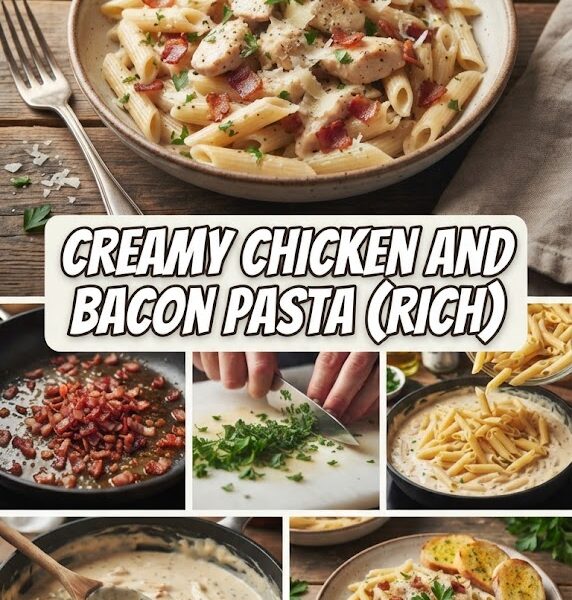
There are few combinations in the culinary world as universally beloved as chicken and bacon. When these two powerhouses of flavor meet in a velvety, cream-based sauce and are tossed with perfectly al dente pasta, the result is nothing short of legendary. This isn’t just a weeknight dinner; it is an experience in indulgence, a “rich” version of a classic that prioritizes texture, depth of flavor, and the perfect balance of salt, fat, and acidity.
In this exhaustive guide, we will deconstruct the Chicken and Bacon Pasta, exploring why it works, how to source the finest ingredients, and the scientific techniques required to achieve a sauce that never breaks and a chicken that remains succulent. Whether you are cooking for a special occasion or simply looking to elevate your comfort food game, this is the definitive resource for mastering this iconic dish.
The Anatomy of Flavor: Why Chicken and Bacon Work Together
To understand the success of this dish, we must look at the flavor profiles. Chicken is a versatile protein—lean, slightly sweet, and capable of absorbing the flavors around it. Bacon, on the other hand, is the “heavy lifter.” It provides salt, smoke, and an incredible amount of umami through its fat and cured meat.
When you sear chicken in the rendered fat of high-quality bacon, you are performing a culinary “handshake.” The chicken picks up the smoky notes, while the bacon’s saltiness penetrates the poultry. The “richness” of this dish comes not just from the heavy cream, but from the layering of these fats and the Maillard reaction (the browning of the meat) which creates complex, savory compounds.
Choosing Your Ingredients: The Foundation of Excellence
A dish is only as good as its components. To achieve a truly “rich” result, you cannot cut corners on your shopping list.
1. The Poultry: Thighs vs. Breasts
While many recipes call for chicken breast, the secret to a rich pasta is boneless, skinless chicken thighs. Thighs have a higher fat content and more connective tissue, which means they remain juicy even after being seared and then simmered in sauce. If you prefer breasts, ensure you brine them in salt water for 30 minutes beforehand to prevent them from becoming “woody” or dry.
2. The Bacon: Selection and Cut
Avoid thin, “value-pack” bacon. For this recipe, you want thick-cut, applewood or hickory-smoked bacon. Thick-cut bacon allows you to achieve a contrast in texture—a crispy exterior with a chewy, fatty center. The smoke profile is also vital; applewood provides a subtle sweetness, while hickory offers a bolder, traditional campfire smoke.
3. The Pasta: Shape Matters
In a rich, creamy sauce, the pasta’s job is to act as a vessel. You need a shape with “nooks and crannies” or a large surface area.
- Penne Rigate: The ridges (rigate) help the sauce cling to the outside, while the hollow center traps small pieces of bacon.
- Fettuccine: The classic choice for creamy sauces; the wide ribbons provide a silky mouthfeel.
- Rigatoni: Larger than penne, these are excellent for a “chunky” version of the dish where you want a big bite.
- Fusilli: The spirals are perfect for capturing every drop of the liquid gold sauce.
4. The Dairy: The Source of Richness
We are aiming for a luxurious texture. This requires Heavy Whipping Cream (at least 36% milkfat). Do not substitute with half-and-half or milk, as the lower fat content increases the risk of the sauce curdling when it hits the acidic components like garlic or wine.
5. The Cheese: The Umami Bomb
A rich pasta demands high-quality cheese. Parmigiano-Reggiano (the “King of Cheeses”) is non-negotiable. It should be freshly grated from a wedge. Pre-grated cheeses are coated in cellulose (an anti-caking agent) which prevents them from melting smoothly into the sauce, often resulting in a grainy texture.
The Science of the Perfect Creamy Sauce
Creating a rich sauce isn’t just about pouring cream into a pan. It’s about emulsification. An emulsion is a mixture of two liquids that would ordinarily not mix—in this case, the fats (bacon grease, butter, cream) and the water-based liquids (pasta water, chicken juices).
To achieve a stable emulsion:
- The Fond: After searing the chicken and bacon, you’ll see brown bits stuck to the bottom of the pan. This is “fond.” Deglazing the pan with a splash of dry white wine (like Sauvignon Blanc) or chicken stock releases these flavor molecules into the sauce.
- Starch Power: Always save a cup of your pasta cooking water. The starch released by the pasta acts as a binder, helping the fatty sauce stick to the noodles rather than sliding off.
- Low and Slow: Never boil your cream aggressively. A gentle simmer allows the sauce to reduce and thicken naturally without breaking the fat molecules apart.
Step-by-Step Guide to the Ultimate Rich Chicken and Bacon Pasta
Preparation
- Chicken: 1.5 lbs chicken thighs, cut into 1-inch bite-sized pieces. Seasoned with salt, black pepper, and a touch of smoked paprika.
- Bacon: 8 oz thick-cut bacon, sliced into lardons (small strips).
- Aromatics: 4 cloves of garlic (minced), 1 small shallot (finely diced).
- Liquid: 1.5 cups heavy cream, 1/2 cup dry white wine.
- Pasta: 1 lb of your chosen shape.
- Finishers: 1 cup freshly grated Parmesan, 1/4 cup chopped fresh parsley, a squeeze of lemon juice.
Instructions
1. Rendering the Bacon
Start with a cold skillet. Place your bacon lardons in the pan and turn the heat to medium. Starting cold allows the fat to render out slowly, ensuring the bacon gets incredibly crispy without burning. Once golden and crisp, remove the bacon with a slotted spoon and set it aside on a paper towel. Leave about 2 tablespoons of the rendered fat in the pan.
2. Searing the Chicken
Turn the heat up to medium-high. Add the chicken pieces in a single layer. Do not crowd the pan; if necessary, do this in two batches. The goal is a deep, golden-brown crust. Once cooked through (internal temp of 165°F), remove the chicken and set aside with the bacon.
3. Building the Flavor Base
In the same pan, add the diced shallots. Sauté for 2 minutes until translucent. Add the minced garlic and cook for only 30 seconds—garlic burns quickly and becomes bitter, which would ruin the richness of the sauce.
4. Deglazing
Pour in the white wine. Use a wooden spoon to scrape up all those delicious brown bits (the fond). Let the wine reduce by half. This concentrates the flavor and cooks off the harsh alcohol bite.
5. Creating the Creamy Sauce
Lower the heat to medium-low. Pour in the heavy cream. Let it come to a very gentle simmer. Stir occasionally as it begins to thicken—this usually takes about 5 to 7 minutes.
6. The Pasta Marriage
While the sauce simmers, boil your pasta in heavily salted water (it should taste like the sea). Drain the pasta about 2 minutes before the package says it’s al dente. It will finish cooking in the sauce. Remember to save 1 cup of pasta water.
7. Bringing it All Together
Add the undercooked pasta, the chicken, and the bacon into the simmering cream sauce. Add the grated Parmesan cheese. Toss everything vigorously. If the sauce looks too thick, add a splash of the reserved pasta water. The starch and cheese will create a glossy, velvet-like coating over every strand of pasta.
8. The Final Flourish
Turn off the heat. Stir in the fresh parsley and a small squeeze of lemon juice. The acidity of the lemon doesn’t make it taste like lemon; rather, it “cuts” through the heavy fat, making the flavors pop and preventing the dish from feeling overly “cloying.”
Mastering Variations: Taking the Dish Further
While the base recipe is a masterpiece, you can tailor the richness to your specific palate.
The “Tuscan” Twist
Add sun-dried tomatoes and fresh baby spinach during the final simmering stage. The sun-dried tomatoes provide a chewy, tart contrast to the creamy sauce, while the spinach adds a vibrant color and a necessary earthy note.
The Spicy Kick
For those who like heat, add 1 teaspoon of red chili flakes to the garlic and shallot sauté. The oil in the bacon fat will infuse with the chili, distributing a warm glow throughout the entire dish.
The Mushroom Infusion
Sauté sliced Cremini or Shiitake mushrooms in the bacon fat before adding the chicken. Mushrooms contain high levels of guanylate, a compound that works synergistically with the umami in the bacon to create an explosion of savory flavor.
Troubleshooting Common Issues
My sauce is grainy!
This usually happens for two reasons: you used pre-shredded cheese, or the heat was too high when you added the cheese. Always use freshly grated cheese and add it at the very end over low or residual heat.
The chicken is dry.
You likely overcooked it during the searing phase. Remember, the chicken will continue to cook slightly when it is added back into the hot sauce. Aim to just barely reach the safety temp during the sear.
The dish is too heavy/salty.
This is a “rich” dish by design, but if the salt is overwhelming, it’s likely from the combination of bacon, salted pasta water, and Parmesan. Be conservative with adding extra salt until the very end after you’ve tasted the combined components.
Wine Pairings for a Rich Pasta
To complement such a decadent meal, you need a wine that can stand up to the fat content while refreshing the palate.
- Chardonnay: Specifically an oaked Californian Chardonnay. The buttery notes of the wine mirror the creaminess of the sauce, while the acidity cleanses the tongue.
- Pinot Grigio: A crisp, high-acid white that provides a sharp contrast to the smoky bacon.
- Pinot Noir: If you prefer red, choose a light-bodied Pinot Noir. Its red fruit notes (cherry, raspberry) and low tannins won’t clash with the cream.
Storage and Reheating: Keeping the Richness Alive
Cream-based pastas are notorious for separating when reheated. The fat often pools at the bottom, leaving the pasta dry.
- Storage: Keep in an airtight container for up to 3 days.
- Reheating: Do not use the microwave if possible. Instead, place the pasta in a skillet over low heat. Add a splash of milk or a tiny bit of water. Stir constantly as it warms up; this “re-emulsifies” the sauce, bringing back that original silky texture.
Nutritional Perspective: A Treat for the Soul
It is important to acknowledge that a “Rich” Chicken and Bacon Pasta is a high-calorie, high-fat meal. It is the definition of a “cheat meal” or a celebratory feast. To balance the plate, serve it with a side of charred broccolini or a simple arugula salad with a sharp lemon vinaigrette. This provides fiber and nutrients to complement the protein and fats of the main course.
The Role of Aromatics and Herbs
Beyond the garlic and shallots, the herbs you choose can shift the entire profile of the dish.
- Thyme: Adds a woody, earthy aroma that pairs beautifully with the smoke of the bacon.
- Basil: Provides a sweet, peppery finish that lightens the overall feel.
- Chives: Offer a mild onion flavor and a beautiful green aesthetic.
Frequently Asked Questions (FAQ)
Can I make this dairy-free?
While this specific recipe focuses on a “rich” dairy-based sauce, you can achieve a similar creaminess using soaked and blended cashews mixed with nutritional yeast. However, the flavor profile will significantly differ from the traditional version.
What is the best bacon to use?
For the highest quality, look for “Dry Cured” bacon. Standard grocery store bacon is often injected with water and liquid smoke, which causes it to shrink and boil in the pan rather than fry. Dry-cured bacon maintains its shape and provides a cleaner fat for searing the chicken.
How do I prevent the bacon from getting soggy in the sauce?
The trick is to only add the bacon back in at the very last second, right before serving. This ensures that some pieces remain crunchy while others begin to soften into the cream.
Is it okay to use frozen chicken?
Yes, provided it is fully thawed and patted extremely dry with paper towels. Any moisture on the surface of the chicken will create steam, preventing that golden-brown crust that is essential for the flavor of this dish.
Final Thoughts
The Rich Chicken and Bacon Pasta is more than just a recipe; it’s a lesson in culinary balance. By respecting the ingredients—rendering the bacon properly, searing the chicken to perfection, and gently emulsifying the cream and cheese—you create a dish that feels like a warm hug. It is indulgent, sophisticated, and undeniably delicious.
As you prepare this meal, remember that cooking is an art of the senses. Listen for the sizzle of the bacon, smell the garlic as it perfumes the kitchen, and most importantly, taste as you go. With these techniques and tips, you are well on your way to creating a restaurant-quality masterpiece in the comfort of your own home. Enjoy the process, and enjoy every rich, creamy bite.