
 admin
admin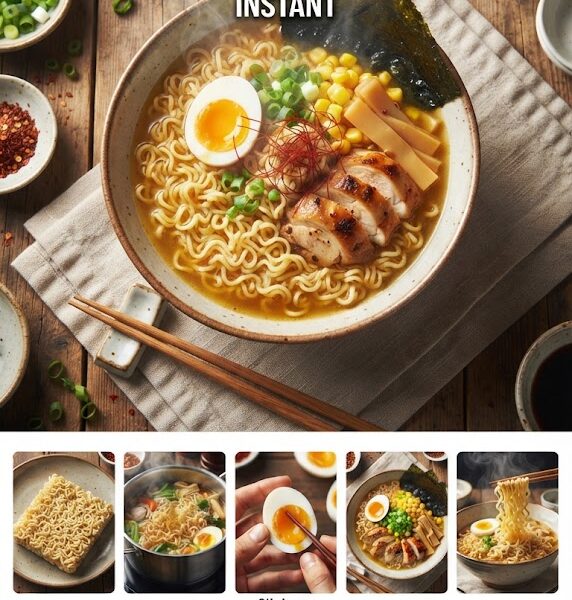
For decades, the crinkle of a plastic wrapper has been the siren song of the hungry, the busy, and the budget-conscious. Instant chicken ramen noodles are more than just a quick meal; they are a cultural phenomenon, a survival tool for college students, and a versatile base for culinary experimentation. Whether you call it Top Ramen, Maruchan, or simply “soul food in a cup,” chicken-flavored instant noodles occupy a unique space in the American pantry.
In this comprehensive guide, we will dive deep into the world of chicken ramen. We’ll explore its fascinating history, the science behind those curly noodles, the nutritional profile you need to know, and—most importantly—how to transform a 50-cent packet into a gourmet masterpiece.
The Genesis of a Global Icon: A Brief History of Instant Ramen
To understand the chicken ramen in your cupboard, we have to travel back to post-World War II Japan. The country was facing a massive food shortage, and the long lines for wheat-based bread provided by U.S. aid inspired an inventor named Momofuku Ando.
Momofuku Ando’s Revolution
Ando believed that “peace will come to the world when the people have enough to eat.” In 1958, after months of trial and error in a small shed in his backyard, Ando perfected the process of flash-frying noodles to dehydrate them. This created a shelf-stable product that could be rehydrated in minutes.
The very first flavor ever produced? Chikin Ramen. Ando chose chicken because it was a “neutral” protein that didn’t face the religious or cultural dietary restrictions that beef or pork might encounter. It was an instant hit, though ironically, it was initially considered a luxury item because it was more expensive than fresh noodles at the time.
The Leap to America
By the 1970s, instant ramen made its way to the United States. Nissin (Ando’s company) introduced “Top Ramen” in 1970, followed by the iconic “Cup Noodles” in 1971. In America, the chicken flavor became the gold standard, mirroring the country’s love for traditional chicken noodle soup. Today, brands like Maruchan and Nissin dominate the U.S. market, selling billions of units annually.
Why Chicken Flavor? The Psychology of Comfort
In the United States, chicken ramen is the ultimate “safety” flavor. It taps into the deep-seated nostalgia of homemade chicken soup—the “Jewish penicillin” or the classic Campbell’s red-and-white can. The flavor profile of instant chicken ramen is designed to be savory, salty, and subtly herbal, often featuring notes of onion, garlic, and turmeric (which gives the broth its signature yellow hue).
The “chicken” flavor in instant ramen is primarily driven by:
- Monosodium Glutamate (MSG): The king of umami that makes your mouth water.
- Hydrolyzed Vegetable Protein: A savory enhancer that mimics meatiness.
- Chicken Fat or Powder: Often listed at the end of the ingredients, providing a hint of authentic poultry aroma.
The Anatomy of an Instant Ramen Packet
When you rip open a standard pack of chicken ramen, you are looking at three distinct components designed for efficiency and flavor delivery.
1. The Noodles (The Brick)
The classic wavy shape isn’t just for aesthetics. The curls allow for air circulation during the drying process and help the noodles cook evenly. Most instant noodles are made from wheat flour, palm oil, and salt. They are steamed and then flash-fried in oil, which creates tiny holes in the noodle structure. When you add boiling water, these holes act like a sponge, rehydrating the noodle almost instantly.
2. The Seasoning Packet (The Gold Dust)
This is where the magic happens. The chicken seasoning packet is a concentrated blend of salt, sugar, cornstarch, and various flavor enhancers. In the U.S., you’ll often see dehydrated parsley or chives included for a pop of color.
3. The Oil/Liquid Sachet (Optional)
While less common in standard American “budget” packs, higher-end chicken ramen brands (like those from Korea or Japan) often include a packet of chicken oil or sesame oil to add “mouthfeel” and richness to the broth.
The Major Players: Comparing Chicken Ramen Brands
Not all chicken ramen is created equal. Depending on your region and budget, the experience can vary wildly.
Maruchan vs. Nissin Top Ramen
The “Cola Wars” of the noodle world.
- Maruchan Chicken: Often cited for having a slightly saltier, more robust broth and a softer noodle texture.
- Nissin Top Ramen: Generally considered to have a firmer noodle and a more “herbal” or “clean” chicken flavor. Interestingly, Nissin Top Ramen’s chicken flavor in the U.S. is often vegetarian-friendly (using artificial flavoring), whereas Maruchan often uses actual chicken fat or powder.
The “Fancy” Options
- Sapporo Ichiban Chicken: A Japanese brand available in many U.S. supermarkets. The noodles are thicker, and the broth is much creamier and more complex than the budget brands.
- Nongshim Shin Black (Chicken): While famous for their spicy beef, Nongshim’s chicken varieties focus on a “pot-au-feu” style broth that is rich and cloudy.
- Indomie Mi Goreng (Chicken Flavor): These are “dry” noodles. You boil them, drain the water, and mix in the seasonings. The chicken flavor here is often paired with fried onions and chili oil for a Southeast Asian twist.
The Science of the Perfect Bowl: Cooking Techniques
Most people follow the instructions on the back: boil water, add noodles, wait three minutes. However, if you want to elevate your ramen game, there are scientific ways to improve the texture and taste.
The Stove-Top Method (The Gold Standard)
- Boil 2 cups of water. Use a slightly smaller pot so the noodles are fully submerged.
- Add the noodles whole. Don’t break them! Long noodles are essential for the authentic ramen experience.
- The Agitation Technique: Use chopsticks to gently pull the noodles apart as they soften. This ensures they don’t stick together.
- The “Al Dente” Rule: Cook for exactly 2 minutes and 30 seconds. The noodles will continue to cook in the hot broth as you eat.
The Microwave Method (The Convenience King)
If you must microwave, place the noodles in a microwave-safe bowl and cover with water. Cook for 2 minutes, stir, and cook for another minute. Let it sit for 60 seconds before adding the seasoning to prevent “over-boiling” the flavor away.
The “Kettle” Method
Popular in offices and dorms. Simply pour boiling water from a kettle over the noodles in a bowl, cover with a plate, and wait 5 minutes. This results in a slightly firmer, chewier noodle.
Nutritional Reality: What’s Really Inside?
Let’s be honest: chicken ramen is processed food. However, understanding the nutrition can help you enjoy it responsibly.
- Sodium: A single pack can contain between 800mg and 1,600mg of sodium—nearly 70% of your daily recommended intake.
- Fats: Because the noodles are flash-fried, they contain saturated fats.
- Carbohydrates: It is a high-carb meal, providing quick energy but often leading to a “crash” later.
- TBHQ: Often used as a preservative to keep the noodles shelf-stable for months.
How to Make it Healthier
- Discard half the seasoning: Most of the sodium is in the packet. Use half and supplement with fresh herbs or low-sodium soy sauce.
- Drain the water: Some people boil the noodles, drain the “waxy” water, and then add fresh boiling water for the broth.
- Add Fiber and Protein: The “empty calories” of ramen are mitigated when you add a handful of spinach and an egg.
The “Ramen Hack” Culture: Transforming the 50-Cent Meal
In recent years, social media platforms like TikTok and Instagram have turned “Ramen Hacks” into an art form. Here are the best ways to turn your chicken ramen into a gourmet feast.
1. The “Kewpie Mayo” Hack
Originating in Japan and popularized globally, this trick involves whisking an egg, a tablespoon of Japanese mayo (Kewpie), and the seasoning packet in a bowl. Slowly pour the boiling noodle water into the mixture while whisking. The result is a creamy, rich, “tonkotsu-style” broth that tastes like it spent 12 hours on the stove.
2. The Protein Powerhouse
- The 6-Minute Egg: Boil an egg for exactly 6 minutes, then shock it in ice water. Peel and slice it over your ramen for a jammy, golden yolk.
- Leftover Rotisserie Chicken: Shred some store-bought rotisserie chicken into the broth. It adds texture and reinforces the chicken flavor.
- Tofu Cubes: For a lighter option, silken tofu absorbs the salty broth beautifully.
3. The Vegetable Garden
Don’t eat ramen without greens!
- Bok Choy or Spinach: Add these in the last 30 seconds of boiling.
- Frozen Corn and Peas: A classic addition that adds sweetness and “pop.”
- Green Onions: The most essential garnish. The sharp bite of raw scallions cuts through the saltiness.
4. Flavor Boosters
- Sesame Oil: Just a few drops at the end adds a nutty aroma.
- Sriracha or Gochujang: For those who want a “Spicy Chicken” experience.
- Butter: A small pat of butter added to chicken ramen creates a “Northern Japan” style broth that is incredibly comforting.
Chicken Ramen Around the World: A Flavor Tour
While the U.S. sticks to the classic “Noodle Soup” style, other countries have unique takes on instant chicken ramen.
Korea (Ramyeon)
Korean chicken ramen, like Samyang’s Buldak (Roasted Chicken), is famous for being incredibly spicy. These are usually “stir-fry” noodles served with a thick, spicy sauce rather than a soup.
Indonesia (Mi Goreng)
Indonesian chicken ramen often focuses on the “Ayam Bawang” (Onion Chicken) flavor. It is fragrant, using fried shallots and garlic oil to create a savory, dry noodle dish.
Thailand (Mama Noodles)
Thai chicken ramen often incorporates citrus elements. Look for “Chicken Green Curry” or “Chicken Tom Yum” flavors which add lemongrass, kaffir lime, and coconut milk powder to the mix.
The Economic Impact of Instant Ramen
Why does a pack of chicken ramen still cost so little? It’s a marvel of industrial engineering. The speed of production (thousands of packs per minute), the use of inexpensive wheat and palm oil, and the lightweight packaging make it one of the most efficient food products on Earth.
In many parts of the world, the “Ramen Index” is used as a metaphor for the cost of living. When the price of instant noodles rises, it is often a sign of significant inflation affecting the most vulnerable populations.
Instant Ramen in Pop Culture
From “Naruto” slurping down bowls of ramen to the “Parasite” film featuring “Ram-Don” (a mix of two types of noodles), ramen is a cinematic staple. In the U.S., it is the unofficial mascot of the “broke college student” trope. It represents a period of life—transition, hustle, and the simple joy of a warm meal at 2:00 AM.
DIY Chicken Ramen: Making a “Semi-Homemade” Version
If you love the taste of instant chicken ramen but want to avoid the preservatives, you can create a “semi-homemade” version using high-quality dry noodles.
The “Better-Than-The-Packet” Broth Recipe
- 2 cups high-quality chicken bone broth.
- 1 tsp soy sauce.
- 1/2 tsp ginger paste.
- 1/2 tsp garlic powder.
- A pinch of turmeric (for color).
- A dash of white pepper.
Boil your noodles separately, then drop them into this enriched broth. It’s the same comfort, but with a more sophisticated nutritional profile.
Common Myths About Instant Ramen
Myth 1: The Wax Coating
A common urban legend suggests that ramen noodles are coated in wax to keep them from sticking, which supposedly causes cancer. This is false. The “waxy” texture is simply the result of the flash-frying process and the starches in the wheat.
Myth 2: MSG is Poisonous
Decades of research have debunked “Chinese Restaurant Syndrome.” MSG is a naturally occurring amino acid found in tomatoes and cheese. While some people may have a sensitivity to it, it is generally recognized as safe by the FDA.
Myth 3: It Stays in Your Stomach for Months
A viral video once claimed that ramen doesn’t digest for days. While the high fat and fiber content (if you add veggies) can slow digestion slightly, your body processes ramen like any other carbohydrate and fat-based meal.
Storage and Shelf Life
One of the biggest selling points of chicken ramen is its shelf life. Most packs are labeled for 12–18 months.
- Pro Tip: Store your ramen in a cool, dark place. Over time, the oils in the noodles can go rancid if exposed to direct sunlight or high heat, which results in an “off” soapy taste.
The Future of Chicken Ramen: Premiumization and Plant-Based
The instant noodle industry is evolving. We are currently seeing a shift toward:
- Air-Dried Noodles: For those who want to avoid the fats associated with frying, brands are increasingly offering “air-dried” options that have a texture closer to fresh pasta.
- Plant-Based “Chicken”: As veganism grows, companies are perfecting synthetic chicken flavorings that are entirely plant-based but replicate the umami of poultry.
- Eco-Friendly Packaging: The move away from Styrofoam cups toward paper-based and biodegradable materials is a major focus for Nissin and Maruchan in the 2020s.
Conclusion: The Humble Hero of the Pantry
Instant chicken ramen noodles are a testament to human ingenuity. What started as a solution to post-war hunger has become a global staple that transcends borders and social classes. It is a meal that can be as simple as boiling water or as complex as a Michelin-star dish, depending on whose kitchen it’s in.
The next time you reach for that yellow or orange packet, remember the history in your hands. Whether you’re adding a splash of hot sauce, a perfectly poached egg, or just eating it plain while studying for an exam, you’re participating in a culinary tradition that has fed billions. Chicken ramen isn’t just a snack; it’s a warm hug in a bowl, ready in three minutes or less.
Quick Reference Table: Chicken Ramen Upgrade Guide
| Level | Additions | Vibe |
|---|---|---|
| The Student | Sriracha + Butter | Spicy & Savory |
| The Professional | Frozen Veggies + Soft Boiled Egg | Balanced Meal |
| The Gourmet | Toasted Sesame Oil + Fresh Ginger + Rotisserie Chicken | Restaurant Quality |
| The TikToker | Kewpie Mayo + Garlic + Extra Scallions | Creamy & Trendy |
| The Purist | Half the seasoning + a squeeze of Lime | Light & Zesty |