
 admin
admin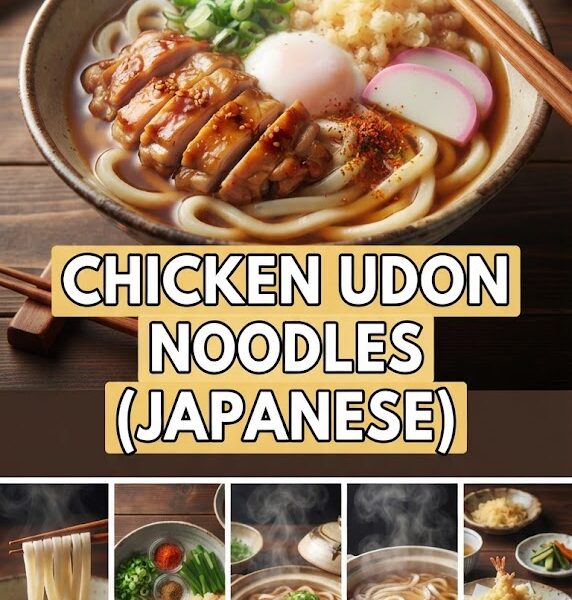
In the vast and storied world of Japanese cuisine, few dishes offer the same level of soul-warming satisfaction as a steaming bowl of Chicken Udon Noodles. Whether it is served as a delicate, clear soup or tossed in a high-heat wok for a smoky stir-fry, Udon represents the pinnacle of Japanese comfort food. For decades, these thick, chewy wheat noodles have been a staple in households from Tokyo to Osaka, and now, they have captured the hearts of food enthusiasts across the United States.
This comprehensive guide explores everything you need to know about Chicken Udon—from its ancient origins and the science of the perfect noodle to step-by-step recipes that will turn your kitchen into a professional Japanese noodle house.
The Essence of Udon: More Than Just a Noodle
To understand Chicken Udon, one must first appreciate the noodle itself. Unlike the thin, alkaline-based ramen or the earthy, buckwheat-driven soba, Udon is characterized by its thickness and its signature mochi-mochi texture—a Japanese term used to describe something that is pleasantly chewy, soft, yet resilient.
The Anatomy of an Udon Noodle
Udon is made from three simple ingredients: wheat flour, salt, and water. However, the magic lies in the kneading process. Traditionally, Udon dough was so tough that makers would wrap it in cloth and knead it with their feet to develop the gluten. This intensive process creates a noodle that can absorb the savory flavors of chicken and dashi without losing its structural integrity.
Why Chicken?
While Udon is often served with tempura or fried tofu (Kitsune Udon), chicken (Tori) provides a lean, protein-rich element that creates a more substantial meal. In Japan, chicken is prized for its ability to release natural oils into the broth, creating “fat pearls” that carry flavor and provide a silky mouthfeel.
The Two Faces of Chicken Udon: Soup vs. Stir-Fry
When ordering or preparing Chicken Udon, you generally choose between two distinct styles. Both are iconic, yet they offer entirely different sensory experiences.
1. Chicken Udon Soup (Kake Udon Style)
This is the quintessential “soul food.” It features noodles submerged in a light, amber-colored broth called kakejiru, made from dashi, soy sauce, and mirin. The chicken is typically poached directly in the broth or lightly seared before being simmered, ensuring the meat remains succulent and tender.
2. Chicken Yaki Udon (Stir-Fried)
Yaki Udon is the “street food” cousin. It is cooked on a flat-top grill or in a wok over high heat. The noodles are tossed with bite-sized chicken pieces, crunchy vegetables, and a savory-sweet sauce. The high heat creates a “breath of the wok” (wok hei), adding a charred complexity to the chewy noodles.
Masterclass: The Core Ingredients
The secret to restaurant-quality Chicken Udon lies in the quality of your pantry. Because Japanese cooking often relies on a few high-quality ingredients, each one must be selected with care.
The Noodles: Frozen, Fresh, or Dried?
If you take nothing else from this guide, remember this: Frozen Udon is superior to dried.
- Frozen (Sanuki Style): These are flash-frozen immediately after being steamed. They retain the “bounce” and “chew” that defines authentic Udon.
- Fresh (Vacuum-Packed): Found in the refrigerated section, these are convenient but can sometimes have a slightly acidic preservative taste. Always rinse them in warm water before use.
- Dried: These resemble thick linguine. While they have a long shelf life, they often lack the girth and texture of traditional Udon.
The Chicken: Thighs vs. Breasts
For the most authentic experience, boneless, skinless chicken thighs are the gold standard. They contain more fat and connective tissue, which means they remain juicy even after simmering or high-heat frying. If you prefer chicken breast, it is vital to slice it thinly and cook it quickly to avoid a rubbery texture.
The Dashi (The Soul of the Soup)
Dashi is the foundational broth of Japan. It provides the “umami” or fifth taste.
- Kombu: Dried kelp that provides a deep, oceanic base.
- Katsuobushi: Dried bonito flakes (tuna) that add a smoky, savory punch.
- Vegan Alternative: Use dried shiitake mushrooms and kombu for a rich, meat-free dashi.
The Seasonings
- Mirin: A sweet rice wine that balances the saltiness of the soy.
- Shoyu (Soy Sauce): Use a high-quality Japanese brand like Kikkoman or Yamasa.
- Sake: Adds depth and helps tenderize the chicken.
Recipe 1: Authentic Japanese Chicken Udon Soup
Serves 2 | Prep time: 15 mins | Cook time: 15 mins
This recipe focuses on the classic, clear broth style found in traditional Japanese noodle bars.
Ingredients
- 2 packs of frozen Udon noodles
- 1/2 lb chicken thighs, cut into 1-inch pieces
- 4 cups Dashi (homemade or instant)
- 2 tbsp Soy Sauce
- 2 tbsp Mirin
- 1 tsp Sugar
- 1 tsp grated Ginger
- 2 Scallions, thinly sliced
- Optional: Narutomaki (fish cake), Shiitake mushrooms, or baby bok choy.
Instructions
- Prepare the Broth: In a medium pot, bring the dashi to a gentle simmer. Add the soy sauce, mirin, sugar, and grated ginger.
- Cook the Chicken: Add the chicken pieces to the simmering broth. Skim off any foam or impurities that rise to the surface to keep the broth clear. Simmer for 5–7 minutes until the chicken is cooked through.
- Prepare the Noodles: While the chicken simmers, bring a separate pot of water to a boil. Drop the frozen Udon in for 1–2 minutes (just enough to loosen them). Drain immediately.
- Assemble: Place the noodles in deep bowls. Ladle the hot broth and chicken over the noodles.
- Garnish: Top with plenty of scallions and a sprinkle of Shichimi Togarashi (Japanese 7-spice).
Recipe 2: Savory Chicken Yaki Udon (Stir-Fry)
Serves 2 | Prep time: 20 mins | Cook time: 10 mins
This version is bold, fast, and packed with textural contrasts.
Ingredients
- 2 packs of frozen Udon noodles
- 1/2 lb chicken breast or thigh, thinly sliced
- 1 cup Cabbage, shredded
- 1/2 Onion, sliced
- 1 Carrot, julienned
- The Sauce: 2 tbsp Soy Sauce, 1 tbsp Oyster Sauce, 1 tsp Mirin, 1/2 tsp Toasted Sesame Oil.
Instructions
- Prep the Noodles: Blanch the Udon in boiling water for 1 minute. Drain and rinse with cold water to stop the cooking process and maintain the chew.
- Sear the Chicken: Heat a tablespoon of oil in a wok or large skillet over high heat. Add the chicken and cook until browned.
- Sauté Vegetables: Toss in the onions, carrots, and cabbage. Stir-fry for 2–3 minutes until the vegetables are slightly softened but still have a “snap.”
- Combine: Add the noodles to the wok. Pour the sauce over the ingredients.
- The Toss: Using tongs or chopsticks, toss everything vigorously over high heat for 2 minutes. The noodles should begin to caramelize slightly and absorb the sauce.
- Finish: Serve immediately with a garnish of Katsuobushi (bonito flakes) which will “dance” on top of the heat.
The Science of the “Slurp”
In Western culture, slurping is often seen as impolite. In Japan, it is a sign of appreciation and a functional part of the eating process. When you slurp Chicken Udon, you are drawing air into your mouth along with the noodles and broth. This serves two purposes:
- Cooling: It prevents you from burning your tongue on the hot broth.
- Aromatics: It aerates the broth, much like a wine taster, allowing the complex aromas of the dashi and chicken to reach the back of your nose, enhancing the flavor experience.
Pro Tips for the Perfect Bowl
Even with a simple recipe, small techniques can elevate your Chicken Udon from “good” to “extraordinary.”
1. Don’t Overcook the Noodles
Udon is already pre-cooked before it is frozen or packaged. You are simply reheating it. Overcooking results in “mushy” noodles, which is the ultimate sin in Japanese noodle craft. Aim for al dente.
2. The “Double Cook” Method for Chicken
If you want maximum flavor in your soup, sear the chicken skin-side down in a dry pan first until the fat renders and the skin is crispy. Then, add it to the broth. This adds a layer of roasted flavor that simple simmering cannot achieve.
3. Balance the Umami
If your broth feels one-dimensional, add a small piece of dried kombu during the simmer or a splash of toasted sesame oil at the end. The goal is a balance between the salt of the soy, the sweetness of the mirin, and the savory depth of the chicken.
4. Vegetable Timing
When making Yaki Udon, add your vegetables in order of density. Carrots go in first, followed by onions, then leafy greens like cabbage or spinach last. This ensures every component is cooked perfectly.
Regional Variations: From Kanto to Kansai
In Japan, Udon is a regional pride. If you travel from Tokyo (Kanto region) to Osaka (Kansai region), you will notice a significant difference in how Chicken Udon is served.
- Kanto (Eastern Japan): The broth is darker, saltier, and more robust. It uses a heavy soy sauce (koikuchi) and a strong bonito-based dashi.
- Kansai (Western Japan): The broth is lighter, clearer, and more delicate. It uses a light soy sauce (usukuchi) and emphasizes the flavor of the kelp (kombu). The chicken is often sliced thinner to match the elegance of the broth.
In the USA, most Japanese restaurants serve a style that sits somewhere in the middle, catering to a preference for a savory yet clear soup.
Nutritional Benefits of Chicken Udon
Chicken Udon is often viewed as a healthier alternative to other fast foods. Here is why:
- High-Quality Protein: Chicken provides essential amino acids for muscle repair and growth.
- Complex Carbohydrates: The thick wheat noodles provide sustained energy without the immediate sugar spike of refined white pasta.
- Hydration and Digestion: The dashi-based broth is hydrating and often contains ginger, which aids in digestion and has anti-inflammatory properties.
- Lower Fat Content: Unlike Tonkotsu Ramen, which is made from heavy pork fat and bone marrow, Udon broth is typically low in fat and calories.
A standard bowl of Chicken Udon Soup contains approximately 400–550 calories, making it a balanced and filling meal.
Customizing Your Bowl: Toppings and Add-ins
One of the joys of Chicken Udon is its versatility. You can customize your bowl based on the season or your personal preferences.
Traditional Toppings
- Tenkasu: Crunchy bits of fried tempura batter. They add a fatty richness as they melt into the soup.
- Kamaboko: Sliced pink-and-white fish cakes.
- Wakame: Dried seaweed that rehydrates in the broth, adding a boost of minerals.
- Soft-Boiled Egg (Ajitsuke Tamago): A jammy, soy-marinated egg adds a creamy texture to the dish.
Modern Twists
- Spicy Miso Chicken Udon: Whisk a tablespoon of red miso and a teaspoon of chili paste (sambal oelek or gochujang) into the broth.
- Curry Chicken Udon: A popular fusion dish where Japanese curry roux is added to the dashi, creating a thick, gravy-like soup that clings to the noodles.
- Creamy Mushroom Udon: Use a splash of heavy cream or coconut milk in a Yaki Udon for a luxurious, pasta-like experience.
Common Mistakes to Avoid
- Using Cold Noodles in Soup: Always warm your noodles separately before adding them to the bowl. Putting cold noodles into hot broth will drop the temperature of the soup instantly, ruining the experience.
- Crowding the Pan: When making Yaki Udon, if you put too many ingredients in the wok at once, the temperature will drop, and the noodles will steam rather than fry. Cook in batches if necessary.
- Ignoring the Scallions: In Japanese cuisine, scallions aren’t just a garnish; they are a vital flavor component. Use both the white parts (for cooking) and the green parts (for topping).
Where to Buy the Best Ingredients in the USA
Finding authentic ingredients is easier than ever.
- Japanese Grocery Stores: Mitsuwa, H-Mart, and Marukai are the gold standard for frozen Sanuki Udon and high-quality dashi components.
- Mainstream Supermarkets: Many stores now carry “Udon” in the international aisle, but be wary of the shelf-stable, soft-pack varieties as they can be quite sour.
- Online: Amazon and specialized retailers like Bokksu Market offer premium dried Udon and instant dashi powders that are surprisingly high-quality.
The Cultural Significance of the “Tori Udon”
In Japan, Chicken Udon (Tori Udon) is more than just a meal; it is a symbol of recovery and warmth. It is the dish mothers cook for their children when they have a cold, as the noodles are easy to digest and the broth is soothing. It is also a popular “midnight diner” food for office workers looking for a restorative meal after a long day.
By making this dish at home, you are tapping into a tradition of simplicity and mindfulness. It is a reminder that the best meals don’t need dozens of ingredients; they just need the right ingredients, prepared with care.
Frequently Asked Questions (FAQs)
Can I make Udon gluten-free?
Traditional Udon is made from wheat flour and is not gluten-free. However, you can find brown rice Udon or use thick rice noodles as a substitute. Keep in mind the texture will be significantly different.
How long does leftover Chicken Udon last?
- Soup: Store the broth and noodles separately. If stored together, the noodles will absorb all the liquid and become bloated. They stay fresh for 2–3 days.
- Yaki Udon: This reheats well in a pan with a splash of water to loosen the noodles. It lasts up to 3 days in the fridge.
Can I use a different protein?
Absolutely. While chicken is the focus of this guide, the same techniques apply to thinly sliced beef (Niku Udon), shrimp, or even fried tofu (Kitsune Udon).
Is Udon vegan?
The noodles themselves are vegan (flour, salt, water). However, traditional dashi is made with fish flakes. To make it vegan, ensure you use a mushroom or kelp-based dashi and substitute oyster sauce with a vegetarian stir-fry sauce.
Conclusion: Bringing the Taste of Japan to Your Table
Chicken Udon Noodles represent the perfect marriage of texture, flavor, and simplicity. Whether you are seeking the comforting embrace of a warm soup on a rainy afternoon or the vibrant, savory energy of a stir-fry for a quick weeknight dinner, Udon is your answer.
By mastering the dashi, choosing the right noodles, and treating the chicken with respect, you can recreate the magic of a Japanese noodle house in your own kitchen. So, grab your chopsticks, prepare your best slurp, and dive into the wonderful, chewy world of Chicken Udon. It is a culinary journey that promises satisfaction in every single bite.
Summary Table for Quick Reference
| Feature | Chicken Udon Soup | Chicken Yaki Udon |
|---|---|---|
| Primary Texture | Soft, Slippery, Warm | Chewy, Seared, Smoky |
| Best Noodle Type | Frozen Sanuki Udon | Frozen or Fresh Udon |
| Key Flavor | Dashi (Umami) | Soy & Oyster Sauce (Savory-Sweet) |
| Cooking Time | 15 Minutes | 10 Minutes |
| Best For | Cold weather, health, comfort | Quick dinner, meal prep, bold cravings |