 admin
admin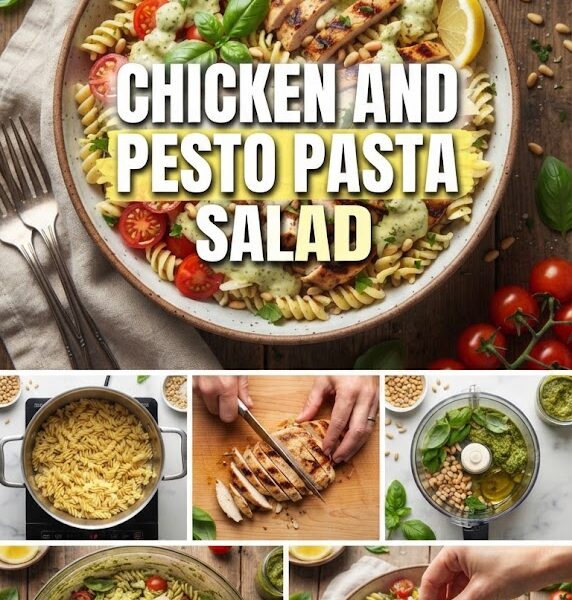
When it comes to the intersection of convenience, nutrition, and sheer flavor, few dishes can compete with the mighty Chicken and Pesto Pasta Salad. This culinary staple has earned its place in picnic baskets, office lunchboxes, and dinner tables across the United States for good reason. It is the quintessential “chameleon” dish—equally at home at a high-end summer garden party as it is in a tupperware container for a quick post-gym meal.
In this comprehensive guide, we will dive deep into why this dish works, how to master the art of the perfect pesto, the science of cooking the ideal pasta, and creative variations that will keep your taste buds dancing all year long.
Why Chicken and Pesto Pasta Salad is a Culinary Masterpiece
The success of a Chicken and Pesto Pasta Salad lies in its balance. It hits every major sensory note:
- The Umami: Provided by the parmesan cheese and the savory, roasted chicken.
- The Freshness: Driven by basil and often supplemented with cherry tomatoes or arugula.
- The Texture: A mix of chewy pasta, tender chicken, and the crunch of toasted pine nuts or fresh vegetables.
- The Acid: Usually a splash of lemon juice or vinegar to brighten the heavy fats of the olive oil and nuts.
Because it can be served cold, at room temperature, or even slightly warm, it is one of the most versatile recipes in a home cook’s arsenal.
The Heart of the Dish: Mastering the Pesto
While you can certainly buy high-quality store-bought pesto, making it from scratch elevates this pasta salad from “good” to “legendary.” Pesto alla Genovese is a traditional Italian sauce originating in Genoa.
The Essential Ingredients of Traditional Pesto
- Fresh Basil Leaves: Use Genovese basil if possible. Ensure the leaves are dry after washing to prevent the sauce from becoming watery.
- Extra Virgin Olive Oil: Since this isn’t cooked, the quality of the oil matters immensely. Look for cold-pressed, high-quality oil.
- Pine Nuts (Pinoli): Toasting them lightly in a pan for 2-3 minutes releases the oils and creates a much deeper flavor.
- Garlic: Use fresh cloves. Avoid the pre-minced jars, as they lack the sharp “bite” needed to cut through the richness of the oil.
- Parmigiano-Reggiano: Real, aged parmesan provides the salty, nutty backbone of the sauce.
- Pecorino Romano: Many traditionalists use a mix of Parmesan and Pecorino for an extra salty kick.
The Secret to “Green” Pesto
One common complaint with pesto pasta salad is that the pesto turns brown. This is due to oxidation. To keep your pesto vibrant green:
- Blanching: Quickly dip your basil leaves in boiling water for 5 seconds, then immediately into an ice bath before blending. This “sets” the chlorophyll.
- Acid: A squeeze of fresh lemon juice adds vitamin C (ascorbic acid), which slows down the browning process.
Choosing the Right Pasta Shape
Not all pasta is created equal when it comes to salad. You want a shape with “nooks and crannies” to trap the pesto and bits of chicken.
- Fusilli or Rotini: The spirals are the gold standard for pasta salads. They hold onto the oil-based sauce perfectly.
- Farfalle (Bowtie): These look beautiful and offer a great “bite” due to the thicker center where the dough is pinched.
- Penne Rigate: The ridges (rigate) help the pesto cling to the smooth surface of the tube.
- Orecchiette: “Little ears” act like small scoops for the pine nuts and small pieces of chicken.
Pro Tip: Always cook your pasta in water that is “as salty as the sea.” Since the pasta will be served cold, it needs that internal seasoning because cold temperatures dull the perception of flavor.
The Protein: Preparing the Chicken
The chicken provides the substance that turns this from a side dish into a full meal. You have several options depending on your time and preference:
1. The Rotisserie Hack
If you’re in a rush, a store-bought rotisserie chicken is your best friend. Shred the meat while it’s still warm; it absorbs flavors better that way. Use both breast and thigh meat for a mix of textures.
2. Grilled Chicken Breast
For a smoky, charred flavor that pairs beautifully with the herbaceous pesto, grill chicken breasts seasoned simply with salt, pepper, and garlic powder. Slice them into thin strips or cubes.
3. Poached Chicken
If you want the most tender, moist chicken possible, poaching is the way to go. Simmer the chicken in water with aromatics (onion, peppercorns, bay leaf) until it reaches an internal temperature of 165°F.
The Ultimate Chicken and Pesto Pasta Salad Recipe
Here is a foolproof recipe designed to serve 4-6 people.
Ingredients
- Pasta: 1 lb (16 oz) of Fusilli or Farfalle.
- Chicken: 2 cups of cooked chicken, shredded or cubed.
- Pesto: 1 cup of fresh basil pesto (homemade preferred).
- Vegetables: 1 pint of cherry tomatoes (halved), 1/2 cup of sun-dried tomatoes (chopped), and 2 cups of fresh baby spinach.
- Cheese: 1/2 cup of mozzarella pearls or shaved parmesan.
- Crunch: 1/4 cup of toasted pine nuts or slivered almonds.
- The Finisher: 1 tablespoon of fresh lemon juice, 2 tablespoons of extra virgin olive oil, and red pepper flakes (optional).
Step-by-Step Instructions
- Boil the Pasta: Bring a large pot of salted water to a boil. Cook the pasta until it is just past al dente. Why? When pasta cools, it firms up. If you cook it perfectly al dente while hot, it might feel too hard once cold.
- The Cooling Process: Drain the pasta. Do not rinse with cold water unless you are in a massive hurry. Rinsing removes the starch that helps the sauce stick. Instead, spread the pasta on a baking sheet, drizzle with a little olive oil, and let it air cool.
- Mix the Base: In a large bowl, combine the cooled pasta and the pesto. Stir until every piece of pasta is coated.
- Add the Components: Fold in the chicken, cherry tomatoes, sun-dried tomatoes, and spinach. The residual warmth of the pasta (if slightly warm) will wilt the spinach just enough.
- The Seasoning Check: Taste the salad. Pasta salads often need more salt and acid than you think. Add the lemon juice and a final drizzle of olive oil.
- Garnish: Top with the mozzarella pearls, toasted nuts, and a sprinkle of red pepper flakes for heat.
- Rest: Let the salad sit in the refrigerator for at least 30 minutes before serving. This allows the flavors to meld together.
Creative Variations to Try
Once you’ve mastered the classic, try these twists to keep the recipe fresh:
1. The Mediterranean Twist
Add Kalamata olives, marinated artichoke hearts, and crumbled feta cheese. Replace the basil pesto with a sun-dried tomato pesto (Pesto Rosso) for a deeper, tangier flavor.
2. The Creamy Pesto Version
Mix 1/2 cup of Greek yogurt or a few tablespoons of heavy cream into your pesto before tossing it with the pasta. This creates a velvety, luxurious sauce that feels more like a comfort food.
3. The “California” Style
Add diced avocado and crispy bacon bits. The creaminess of the avocado replaces some of the need for heavy oil, and the bacon adds a smoky crunch that complements the basil perfectly.
4. The Garden Veggie Power-Up
For those looking to increase their fiber intake, swap half the pasta for roasted zucchini, bell peppers, and red onions. This lowers the carb count while keeping the volume high.
Nutritional Benefits
A Chicken and Pesto Pasta Salad is remarkably balanced when prepared with fresh ingredients.
- Complex Carbohydrates: Pasta provides the energy needed for daily activities. For a healthier version, use whole-wheat pasta or chickpea pasta for added protein and fiber.
- Lean Protein: Chicken is an excellent source of lean protein, essential for muscle repair and satiety.
- Healthy Fats: Olive oil and pine nuts are rich in monounsaturated fats, which are heart-healthy.
- Antioxidants: Basil contains powerful antioxidants and essential oils like eugenol, which has anti-inflammatory properties.
- Vitamins: Cherry tomatoes add Vitamin C and Lycopene, while spinach provides Iron and Vitamin K.
Expert Tips for the Best Results
1. Toast Your Nuts
Never skip toasting the pine nuts or walnuts. It takes three minutes but changes the entire flavor profile of the dish, adding a smoky, earthy note that raw nuts lack.
2. Use “Pasta Water”
If your pesto is too thick and won’t coat the pasta evenly, add a tablespoon or two of the starchy pasta cooking water. The starch acts as an emulsifier, creating a smooth, clingy sauce.
3. Season the Chicken Separately
Don’t rely on the pesto to flavor the chicken. Make sure the chicken is seasoned with salt and pepper during its own cooking process. This ensures every bite has depth.
4. The Temperature Matters
Serve this salad at “cool room temperature.” If it’s straight out of the fridge, the olive oil in the pesto might be slightly solidified, masking the flavors. Let it sit out for 10-15 minutes before diving in.
Meal Prep and Storage
This dish is a meal-prepper’s dream. It actually tastes better on the second day as the pasta continues to soak up the garlic and herb flavors.
- Refrigeration: Store in an airtight container for up to 3-5 days.
- Reviving the Salad: If the salad looks dry the next day, don’t just add more pesto (which can make it too salty). Instead, add a splash of olive oil or a squeeze of lemon juice to loosen the noodles.
- Freezing: It is not recommended to freeze pasta salad. The texture of the pasta becomes mushy upon thawing, and the oil in the pesto can separate and become grainy.
Frequently Asked Questions (FAQs)
Can I make this vegan?
Absolutely. Swap the chicken for chickpeas or smoked tofu. For the pesto, replace the parmesan cheese with nutritional yeast or a vegan parmesan alternative.
What is the best store-bought pesto?
In the US, brands like Rana (found in the refrigerated section) or Barilla are widely available and offer good flavor. However, refrigerated pestos almost always taste better than shelf-stable jarred versions.
Can I use a different herb?
Yes! If you aren’t a fan of basil, you can make “Pesto” out of arugula (peppery), kale (earthy), or even cilantro and lime for a Mexican-inspired twist.
Is pesto pasta salad healthy?
It can be! To make it healthier, use more vegetables than pasta, choose skinless chicken breast, and use a pesto made with heart-healthy oils. Watch the portion size of the nuts and cheese.
Pairings: What to Serve with Chicken Pesto Pasta Salad
While this is a complete meal on its own, you can round out the experience with these pairings:
- Wine: A crisp white wine like Sauvignon Blanc or Pinot Grigio cuts through the richness of the pesto. If you prefer red, go for a light Chilled Beaujolais.
- Bread: A warm loaf of crusty sourdough or focaccia is perfect for mopping up any leftover pesto at the bottom of the bowl.
- Side Salad: A simple arugula salad with a lemon vinaigrette provides a peppery contrast to the savory pasta.
Conclusion
The Chicken and Pesto Pasta Salad is more than just a convenient recipe; it’s a celebration of fresh, vibrant ingredients. By focusing on the quality of your pesto, the texture of your pasta, and the seasoning of your chicken, you can create a restaurant-quality meal in your own kitchen.
Whether you’re hosting a backyard BBQ, preparing for a week of healthy lunches, or simply looking for a way to use up that extra basil in your garden, this dish is a guaranteed winner. It’s a testament to the fact that sometimes the simplest combinations—herbs, oil, pasta, and protein—are the most satisfying.
Master the basics, experiment with the variations, and enjoy one of the most beloved dishes in the modern American kitchen.