
 admin
admin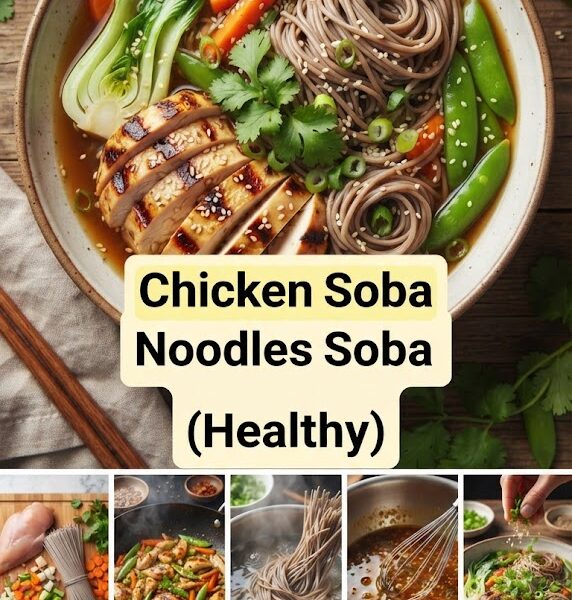
In the bustling world of modern gastronomy, finding the perfect intersection between “delicious” and “nutritious” often feels like an impossible quest. However, one dish has stood the test of time, bridging the gap between ancient Japanese tradition and contemporary health trends: Chicken Soba Noodles.
This dish isn’t just a meal; it’s a nutritional powerhouse. Whether you’re a fitness enthusiast looking for a high-protein post-workout meal, a busy professional seeking a quick weeknight dinner, or a food lover exploring the depths of Umami, healthy chicken soba noodles offer something for everyone. In this comprehensive guide, we will explore everything from the history of buckwheat to the science of the perfect stir-fry, ensuring you can master this dish in your own kitchen.
What Exactly are Soba Noodles?
Before we dive into the recipe, it is essential to understand the star of the show. Soba is the Japanese word for buckwheat. Unlike traditional pasta made from refined wheat flour, authentic soba noodles are made primarily (or entirely) from buckwheat flour.
The Buckwheat Secret
Despite its name, buckwheat is not a type of wheat. It is actually a “pseudocereal”—a seed that is consumed like a grain but is unrelated to grasses. This makes it naturally gluten-free (though many commercial soba noodles contain a small percentage of wheat to help the noodles hold their shape).
Buckwheat has a distinct, nutty flavor and a slightly chewy texture that sets it apart from the softness of ramen or the thickness of udon. It is this earthy profile that pairs so magnificently with the lean, savory notes of grilled or sautéed chicken.
The Different Types of Soba
When shopping for your healthy chicken soba dish, you might encounter different varieties:
- Ju-wari Soba: Made from 100% buckwheat. It has the strongest flavor and highest nutritional content but is more brittle.
- Hachi-wari Soba: The most common variety, consisting of 80% buckwheat and 20% wheat. This ratio provides the perfect balance of flavor and “al dente” texture.
- Cha Soba: Soba noodles infused with high-quality green tea powder (matcha), adding an extra layer of antioxidants and a beautiful green hue.
Why Chicken Soba Noodles are a Health Powerhouse
When we label this dish as “healthy,” we aren’t just using a marketing buzzword. The combination of buckwheat and lean poultry creates a balanced macro-nutrient profile that supports various health goals.
1. High-Quality Protein for Muscle Recovery
Chicken breast is the gold standard for lean protein. It contains all nine essential amino acids required for muscle repair and metabolic function. When paired with the plant-based protein found in buckwheat, you get a diverse amino acid profile that keeps you satiated for hours.
2. Complex Carbohydrates and Low Glycemic Index
Unlike white pasta, which can cause rapid spikes in blood sugar, buckwheat is a complex carbohydrate. It has a low Glycemic Index (GI), meaning it releases energy slowly into the bloodstream. This makes chicken soba an excellent choice for diabetics or those looking to avoid the “afternoon slump.”
3. Rich in Essential Minerals
Buckwheat is a treasure trove of minerals, including:
- Manganese: Essential for a healthy metabolism and bone health.
- Magnesium: Helps improve blood flow and lowers the risk of high blood pressure.
- Copper: Supports heart health.
- Iron: Vital for oxygen transport in the blood.
4. Heart-Healthy Rutin
Soba is one of the few food sources of Rutin, a powerful antioxidant. Rutin is known to strengthen capillaries and improve circulation, making it a “heart-healthy” noodle choice that outperforms almost any other starch.
Essential Ingredients for the Perfect Healthy Chicken Soba
To create a restaurant-quality dish at home, you need to focus on the quality of your ingredients. Here is a breakdown of what you’ll need and why each component matters.
The Protein: Organic Chicken Breast
For the healthiest version, choose organic, skinless chicken breasts. If you prefer a juicier texture, skinless chicken thighs are an acceptable alternative, though they contain slightly more fat.
The Noodles: High-Percentage Buckwheat
Look for a brand where buckwheat flour is the first ingredient listed. Avoid “soba” that lists wheat flour first, as these are essentially just brown-colored spaghetti.
The Aromatics: Ginger and Garlic
These aren’t just for flavor. Ginger is a potent anti-inflammatory, and garlic supports the immune system. Fresh is always better than powdered in a stir-fry.
The Vegetables: A Rainbow of Nutrients
To maximize the health benefits, load your soba with colorful vegetables:
- Red Bell Peppers: For Vitamin C and crunch.
- Broccoli or Bok Choy: For fiber and Vitamin K.
- Carrots: For Beta-carotene.
- Snap Peas: For a sweet, fresh pop of texture.
The Sauce: The Umami Base
A healthy sauce should be low in refined sugar. Use:
- Low-Sodium Soy Sauce or Liquid Aminos: To control salt intake.
- Rice Vinegar: For acidity.
- Toasted Sesame Oil: A little goes a long way for that signature smoky aroma.
- Honey or Maple Syrup: Just a touch to balance the salt, rather than using white sugar.
The Ultimate Healthy Chicken Soba Recipe (Step-by-Step)
This recipe is designed to be completed in under 30 minutes, making it the perfect solution for a healthy lifestyle.
Ingredients List (Serves 4)
- Noodles: 8-10 oz Soba noodles.
- Chicken: 1 lb chicken breast, thinly sliced into bite-sized strips.
- Vegetables: 1 cup broccoli florets, 1 red bell pepper (julienned), 1 cup shredded carrots, 2 cups baby spinach.
- Aromatics: 1 tbsp minced ginger, 3 cloves garlic (minced), 3 green onions (sliced).
- Sauce: 1/4 cup low-sodium soy sauce, 1 tbsp rice vinegar, 1 tbsp honey, 1 tsp toasted sesame oil, 1 tsp chili garlic sauce (optional for heat).
- Garnish: Toasted sesame seeds and fresh cilantro.
Instructions
Step 1: Prep the Soba Noodles
Boil a large pot of water. Do not add salt (soba noodles often contain salt already). Add the noodles and cook according to the package instructions—usually about 4 to 6 minutes. Pro Tip: Soba is notorious for becoming gummy. Once cooked, immediately drain them and rinse under cold running water while rubbing them gently with your hands. This removes excess starch and stops the cooking process.
Step 2: Searing the Chicken
In a large skillet or wok, heat a tablespoon of avocado oil (which has a high smoke point). Add the chicken strips in a single layer. Let them sear undisturbed for 2-3 minutes to get a nice golden crust. Flip and cook until opaque throughout. Remove the chicken from the pan and set aside.
Step 3: Sauté the Vegetables
In the same pan, add another teaspoon of oil if needed. Toss in the broccoli, peppers, and carrots. Stir-fry for 3-4 minutes until they are “tender-crisp”—bright in color but still offering a snap. In the last 30 seconds, add the ginger and garlic, stirring constantly so they don’t burn.
Step 4: The Marriage of Flavors
Whisk your sauce ingredients in a small bowl. Add the cooked chicken and the cold soba noodles back into the skillet with the vegetables. Pour the sauce over the mixture.
Step 5: The Final Toss
Use tongs to toss everything together over medium heat. Add the baby spinach at this stage; the residual heat will wilt it perfectly without turning it into mush. Once everything is coated and steaming, remove from heat.
Step 6: Garnish and Serve
Plate the noodles and top with sliced green onions, sesame seeds, and a squeeze of lime juice for brightness.
Pro Tips for the Best Chicken Soba Experience
Avoid the “Soba Clump”
If you aren’t serving the noodles immediately after rinsing, toss them with a teaspoon of sesame oil. This creates a barrier that prevents the noodles from sticking together into a giant ball.
Use the “Shock” Method
In traditional Japanese cooking, some chefs add a cup of cold water to the boiling pot once the noodles start to foam up. This is called yashimizu. It ensures the outside of the noodle doesn’t overcook while the inside reaches the perfect texture.
Marinate Your Chicken
If you have an extra 15 minutes, marinate your chicken strips in a little soy sauce and ginger before cooking. This ensures the protein is flavorful from the inside out.
Variations of Chicken Soba Noodles
The beauty of this dish lies in its versatility. You can adapt the flavors to suit the season or your specific dietary needs.
1. Cold Soba Salad (Zaru Soba Style)
In the heat of summer, a hot stir-fry might feel too heavy. You can serve cooked, chilled soba noodles on a bed of shredded cabbage and kale, topped with cold poached chicken and a ginger-miso dressing. This version is incredibly refreshing and packed with enzymes.
2. Spicy Szechuan Chicken Soba
Give the dish a Chinese twist by adding Szechuan peppercorns and extra chili oil. The numbing heat of the peppers complements the nuttiness of the buckwheat beautifully.
3. Soba Noodle Soup
Transform the dish into a comforting bowl of ramen-style soup. Use a high-quality chicken bone broth as the base, add white miso paste, and drop in your chicken and soba. This is the ultimate “get well soon” meal.
Comparing Soba to Other Noodles
If you’re wondering how chicken soba stacks up against other popular noodle dishes, here’s a quick comparison:
- Soba vs. Ramen: Ramen noodles are made from wheat and alkaline water. They are higher in calories and often served in fatty broths. Soba is much higher in fiber and micronutrients.
- Soba vs. Rice Noodles: Rice noodles are great for those with severe gluten allergies, but they are almost entirely simple starch with very little protein or fiber. Soba offers a much more complete nutritional profile.
- Soba vs. Whole Wheat Pasta: While whole wheat pasta is healthy, soba provides a unique set of antioxidants (like Rutin) that aren’t found in traditional wheat.
Meal Prepping Chicken Soba Noodles
For those who lead busy lives, chicken soba is a meal-prepper’s dream.
- Fridge Life: This dish stays fresh in airtight containers for up to 4 days.
- Reheating: To prevent the noodles from drying out, add a splash of water or broth before microwaving. Alternatively, this dish is one of the few that tastes fantastic eaten cold or at room temperature.
- Vegetable Choice: If meal prepping, choose “sturdy” vegetables like snap peas, carrots, and edamame. Avoid vegetables that release a lot of water (like zucchini), as they can make the noodles soggy over time.
The Cultural Significance of Soba
In Japan, soba is more than just a meal; it’s a symbol of longevity and resilience. Because the buckwheat plant can survive harsh weather during its growing season, it represents strength.
On New Year’s Eve, Japanese families eat Toshikoshi Soba (year-crossing noodles). The long, thin noodles represent a long life, and the ease with which the noodles can be “bitten off” symbolizes breaking away from the hardships of the past year. By cooking healthy chicken soba at home, you are participating in a culinary tradition that spans centuries.
Common Mistakes to Avoid
- Overcooking the Noodles: This is the #1 mistake. Soba goes from perfect to mush in a matter of seconds. Start testing the texture a minute before the package says it’s done.
- Not Rinsing: I cannot stress this enough. If you don’t rinse the starch off, you will have a sticky mess.
- Crowding the Pan: If you put too much chicken in the pan at once, it will steam in its own juices rather than searing. Cook in batches if necessary.
- Using High-Sodium Sauces: Since soba has an earthy, delicate flavor, an overly salty sauce will drown out the nuances of the buckwheat.
Frequently Asked Questions (FAQ)
Are soba noodles gluten-free?
Pure buckwheat noodles (Ju-wari) are 100% gluten-free. However, many brands mix in wheat flour. Always check the label if you have Celiac disease or a gluten sensitivity.
Can I make this vegan?
Absolutely! Simply swap the chicken for crispy tofu or tempeh, and use maple syrup instead of honey in the sauce.
Is buckwheat a grain?
Technically, no. It is a fruit seed related to rhubarb and sorrel. This is why it is so much more nutrient-dense than cereal grains.
Why is my chicken soba dry?
If the dish feels dry, it’s likely the noodles absorbed the sauce. Always keep a little extra sauce on the side or add a splash of pasta water (the water used to boil the soba) to the pan to create a silkier consistency.
Where can I buy authentic soba?
Most local grocery stores carry it in the “Asian” or “International” aisle. For the best quality, visit a dedicated Japanese market or order organic brands online.
Conclusion: A Balanced Bowl of Goodness
Healthy chicken soba noodles represent the pinnacle of balanced eating. You have lean protein, slow-release carbohydrates, healthy fats from sesame, and a mountain of micronutrients from fresh vegetables.
Beyond the health benefits, the sensory experience—the smell of toasted sesame, the zing of fresh ginger, and the satisfying chew of buckwheat—makes it a meal you will look forward to time and time again. By following the techniques outlined in this guide, you aren’t just making dinner; you’re mastering a classic technique that nourishes both the body and the soul.
So, the next time you’re standing in the grocery aisle wondering what to cook, reach for that bundle of buckwheat noodles. Your heart, your waistline, and your taste buds will thank you.
SEO Metadata and Keywords (Integrated for Search Engine Optimization):
- Primary Keywords: Healthy Chicken Soba Noodles, Buckwheat Noodle Recipe, Japanese Chicken Stir Fry, Low Glycemic Noodles, Gluten-Free Soba.
- Secondary Keywords: High protein meal prep, easy Japanese dinner, nutritional benefits of buckwheat, how to cook soba without sticking, healthy stir-fry sauce recipe.
- Description: Learn how to make the ultimate healthy chicken soba noodles with this 3500-word guide covering nutrition, step-by-step recipes, and traditional Japanese cooking tips. Perfect for weight loss, muscle gain, and heart health.
- Target Audience: Health-conscious home cooks, athletes, fans of Asian cuisine, and busy parents in the USA looking for nutritious 30-minute meals.