
 admin
admin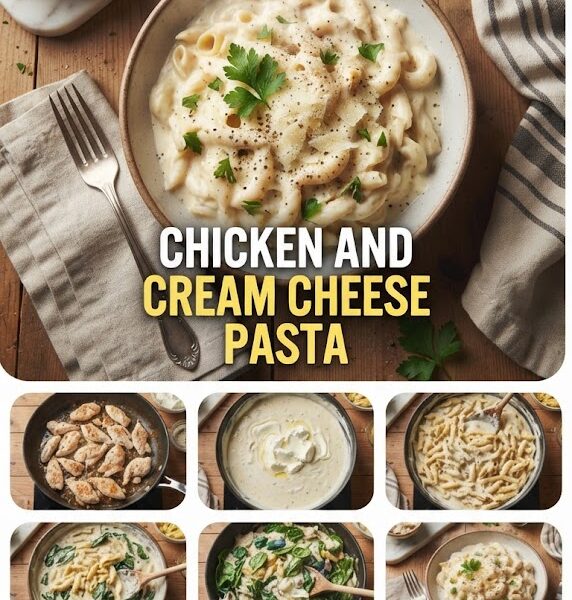
In the pantheon of home-cooked meals, few dishes command as much universal love as a bowl of creamy pasta. While traditional Italian sauces like Alfredo or Carbonara have their place, there is a modern classic that has taken American kitchens by storm: Chicken and Cream Cheese Pasta. This dish represents the intersection of convenience, decadence, and versatility.
Whether you are a busy parent looking for a 20-minute weeknight miracle, a student on a budget, or a culinary enthusiast looking to master the art of the velvet sauce, this comprehensive guide will explore every facet of this beloved meal. From the science of the perfect emulsion to global flavor variations, we are diving deep into the world of cream cheese-infused pasta.
Why Cream Cheese is the Secret to the Perfect Pasta Sauce
Most cream-based pastas rely on heavy cream and a thickening agent (like a roux) or a massive amount of hard cheese (like Parmesan). While delicious, these methods can be temperamental. Cream cheese, however, is a culinary “cheat code” for several reasons:
- Emulsification: Cream cheese contains stabilizers like carob bean gum or guar gum. These help prevent the sauce from “breaking” or separating into a greasy mess when heat is applied.
- Tangy Profile: Unlike heavy cream, which is purely fatty and sweet, cream cheese has a slight lactic tang. This acidity cuts through the richness of the chicken and pasta, providing a balanced flavor profile.
- Texture: It provides an immediate, thick, and velvety coating that clings to every ridge of the pasta, ensuring no noodle is left dry.
Selecting Your Ingredients: The Building Blocks of Quality
To elevate this dish from a simple meal to a gourmet experience, you must understand your components.
1. The Protein: Chicken
- Chicken Breasts: The most common choice. To keep them juicy, they should be sliced thin or cubed and cooked quickly over high heat.
- Chicken Thighs: For a richer flavor and more tender bite, boneless, skinless thighs are superior. They are harder to overcook and stay moist within the creamy sauce.
- Rotisserie Chicken: The ultimate time-saver. Shredding a pre-cooked store-bought chicken adds a smoky depth and cuts cooking time in half.
2. The Pasta Shape
The shape of your pasta dictates the “sauce-to-carb” ratio.
- Penne or Rigatoni: The hollow centers act as reservoirs for the cream cheese sauce.
- Fusilli or Rotini: The spirals are perfect for “trapping” bits of minced garlic and herbs.
- Fettuccine: For a more classic, elegant mouthfeel.
- Farfalle (Bowtie): Excellent for holding onto heavier additions like peas or sun-dried tomatoes.
3. The Cream Cheese
Always use full-fat, brick-style cream cheese for the best results. Whipped cream cheese or low-fat “Neufchâtel” versions can sometimes result in a thinner, less stable sauce. For a unique twist, you can use flavored cream cheeses, such as garlic and herb or chive varieties.
4. Aromatics and Liquids
- Garlic: Freshly minced garlic is non-negotiable.
- Chicken Broth: Used to deglaze the pan and thin the sauce to the desired consistency.
- Pasta Water: The “liquid gold” that contains starch, helping the sauce bond to the noodles.
The Master Technique: Step-by-Step Instructions
Creating a restaurant-quality Chicken and Cream Cheese Pasta requires a specific order of operations to ensure the chicken is seared and the sauce is smooth.
Step 1: Prepping the Chicken
Season your chicken generously with salt, black pepper, and paprika. The paprika isn’t just for flavor; it provides a beautiful golden-brown color that prevents the dish from looking too “white.”
Step 2: The Sear
Heat olive oil and a small knob of butter in a large skillet over medium-high heat. Add the chicken in a single layer. Do not crowd the pan. Let it sit undisturbed for 3-4 minutes to develop a crust (the Maillard reaction). Flip and cook until done, then remove the chicken from the pan and set it aside. This keeps the chicken from getting rubbery while you build the sauce.
Step 3: Sautéing the Aromatics
In the same pan (keeping those flavorful browned bits), add minced onions or shallots. Cook until translucent. Add the garlic and cook for only 30-60 seconds—garlic burns easily and becomes bitter.
Step 4: Building the Base
Pour in half a cup of chicken broth or dry white wine (like Sauvignon Blanc). Use a wooden spoon to scrape the bottom of the pan. This process, called deglazing, incorporates all the savory flavors back into the sauce.
Step 5: The Cream Cheese Meltdown
Turn the heat down to low. Add your cream cheese, cut into small cubes. Stir constantly as it melts. Gradually whisk in more broth or milk until the sauce is thick but pourable.
Step 6: The Marriage
Add the cooked pasta and the seared chicken back into the skillet. Toss vigorously. If the sauce is too thick, add reserved pasta water a tablespoon at a time until the consistency is silky.
Mouthwatering Variations to Try
One of the reasons Chicken and Cream Cheese Pasta is a Google favorite is its adaptability. Here are five distinct ways to change the flavor profile.
1. Tuscan Style
Add sun-dried tomatoes, fresh baby spinach, and a pinch of red pepper flakes. The acidity of the tomatoes and the earthiness of the spinach transform the dish into a Mediterranean-inspired feast. Finish with plenty of freshly grated Parmesan.
2. Cajun Spice Kick
Season the chicken with a heavy coat of Cajun or Creole seasoning. Add diced bell peppers and onions to the sauté. The cream cheese acts as a cooling agent against the heat of the spices, creating a “Pastalaya” vibe that is incredibly addictive.
3. Mushroom and Thyme
Sauté cremini or shiitake mushrooms in butter until they are deeply browned before adding the cream cheese. The addition of fresh thyme and a splash of Worcestershire sauce creates an umami-rich, earthy dish that feels like fine dining.
4. Buffalo Chicken Pasta
If you love game-day wings, this is for you. Stir in two tablespoons of Buffalo hot sauce into the cream cheese base. Top the finished pasta with crumbled blue cheese and sliced green onions.
5. Lemon and Herb
For a lighter, brighter version, zest a whole lemon into the sauce and add two tablespoons of lemon juice. Stir in fresh parsley, basil, and dill at the very end. This version is perfect for spring and summer evenings.
The Secret to Success: Pro Tips and Tricks
Even a simple recipe has nuances. Follow these tips to ensure your pasta is perfect every time.
- Room Temperature Cheese: Take your cream cheese out of the fridge 30 minutes before cooking. Cold cream cheese takes longer to melt and is more likely to form small clumps.
- Don’t Overcook the Pasta: Always cook your pasta al dente (firm to the bite). It will continue to cook for a minute or two once it’s tossed in the hot sauce.
- Season in Layers: Season the chicken, season the aromatics, and taste the sauce before adding the pasta. This builds a complex flavor profile.
- Use Fresh Herbs: While dried oregano or basil works in a pinch, fresh herbs added at the end provide a pop of color and a fragrance that dried herbs cannot match.
Healthier Alternatives: Balancing the Richness
If you love the flavor of Chicken and Cream Cheese Pasta but are watching your caloric intake, consider these modifications:
- Low-Fat Greek Yogurt: You can replace half of the cream cheese with plain Greek yogurt. It maintains the tang and creaminess but boosts the protein and lowers the fat. Add it at the very end on low heat to prevent curdling.
- Whole Wheat or Chickpea Pasta: Using a fiber-rich pasta substitute increases satiety and provides a lower glycemic index.
- Vegetable Loading: Double the amount of broccoli, peas, or zucchini in the dish. By increasing the volume of vegetables, you can eat a larger portion for fewer calories.
- Leaner Protein: Use turkey breast or even shrimp instead of chicken for a different lean protein source.
Meal Prep and Storage: How to Reheat Creamy Pasta
Creamy pastas are notorious for becoming dry or oily when reheated. This is because the pasta absorbs the moisture from the sauce as it sits.
- Storage: Store in an airtight container for up to 3-4 days.
- Reheating on the Stovetop: This is the best method. Place the pasta in a small pan over low heat. Add a splash of milk or water. Stir gently as it warms up; the liquid will re-emulsify the sauce.
- Reheating in the Microwave: Place the pasta in a bowl and add a teaspoon of water. Cover with a damp paper towel. Microwave in 30-second intervals, stirring in between. This creates a steam-chamber effect that keeps the noodles from getting rubbery.
Frequently Asked Questions (FAQs)
Can I make this in one pot?
Yes! To make one-pot chicken and cream cheese pasta, you would sauté the chicken and aromatics, then add the dry pasta and broth directly to the pan. Simmer until the pasta is cooked and the liquid is mostly absorbed, then stir in the cream cheese at the end.
What should I serve with this pasta?
Since the dish is quite rich, it pairs best with “acidic” or “crisp” sides:
- A simple arugula salad with lemon vinaigrette.
- Roasted balsamic Brussels sprouts.
- Steamed broccoli with a squeeze of lime.
- Garlic bread (for those not counting carbs!).
Why did my sauce turn out lumpy?
Lumpy sauce usually happens if the cream cheese was too cold or if the heat was too high. To fix it, whisk in a tablespoon of hot pasta water or milk and keep stirring over very low heat until it smoothes out.
Can I freeze chicken and cream cheese pasta?
It is not recommended. Dairy-based sauces often change texture when frozen and thawed, becoming grainy or separating. It is best enjoyed fresh or from the fridge.
The Cultural Impact of the “Cream Cheese Revolution”
In the United States, cream cheese has evolved from a bagel spread to a culinary workhorse. Its popularity in pasta dishes rose significantly with the advent of “dump and bake” recipes and “30-minute meal” trends popularized in the early 2000s. Unlike the rigid rules of traditional Italian cooking, American “comfort pasta” emphasizes ease and mouthfeel.
Chicken and Cream Cheese Pasta is more than just a recipe; it is a symbol of modern domestic life—where the goal is to provide a warm, satisfying meal that feels like a hug in a bowl, despite a hectic schedule. It bridges the gap between the artisanal and the accessible.
Conclusion: Master the Comfort
Mastering Chicken and Cream Cheese Pasta is a rite of passage for any home cook. It teaches the fundamentals of searing meat, deglazing a pan, and creating a stable emulsion. More importantly, it provides a reliable, delicious canvas for your own culinary creativity.
Whether you keep it simple with garlic and black pepper or go bold with Cajun spices and sun-dried tomatoes, this dish is guaranteed to become a staple in your rotation. The combination of succulent chicken, tender pasta, and that signature tangy, velvety sauce is a winner every single time.
So, grab a block of cream cheese, put your pasta water on to boil, and get ready to enjoy the ultimate comfort meal. Your family—and your taste buds—will thank you.