 admin
admin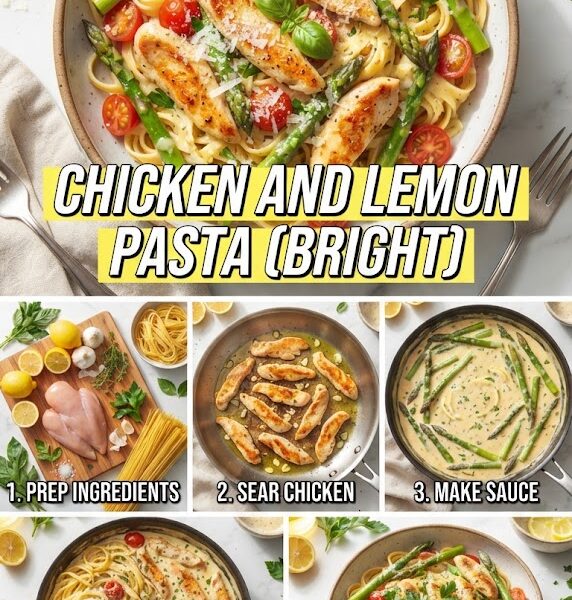
In the pantheon of comfort foods, few dishes manage to strike the delicate balance between indulgence and refreshment quite like Chicken and Lemon Pasta. It is a dish that feels like a sun-drenched afternoon on the Amalfi Coast, even if you are eating it in the middle of a rainy Tuesday in the suburbs. The magic lies in the contrast: the savory, protein-rich depth of golden-seared chicken meeting the high-vibration, acidic punch of fresh lemon.
This isn’t just a recipe; it is an exploration of culinary balance. In this comprehensive guide, we will dive deep into the science of citrus, the art of the perfect sear, and the secrets to achieving a silky, restaurant-quality sauce without needing a culinary degree.
The Philosophy of the “Bright” Flavor Profile
When we describe a dish as “bright,” we are usually referring to its acidity. In cooking, acid (from vinegar, citrus, or fermented foods) acts as a high-frequency note that cuts through fat and salt.
For a dish like pasta, which is naturally heavy in carbohydrates and often paired with fats like olive oil or butter, the lemon acts as a clarifier. It lifts the heavy flavors, making the chicken taste “meatier” and the pasta feel lighter on the palate. When you master the balance of lemon, you unlock a level of home cooking that rivals high-end Italian bistros.
The Essential Ingredients: Quality Over Quantity
To achieve the best results, you must be discerning with your ingredients. Because this dish has a relatively short list of components, each one must pull its weight.
1. The Chicken: Breast vs. Thigh
For a “bright” pasta, chicken breast is the traditional choice. It has a clean flavor that doesn’t compete with the lemon. However, if you prefer a juicier, richer experience, boneless, skinless chicken thighs are excellent. The key is the preparation: thinning the meat to an even thickness ensures quick, even cooking and a better surface-area-to-volume ratio for seasoning.
2. The Citrus: Not All Lemons Are Created Equal
If you can find them, Meyer Lemons are a game-changer. They are a cross between a lemon and a mandarin orange, offering a sweeter, more floral acidity. If you are using standard Eureka lemons, ensure they are heavy for their size (a sign of juiciness) and have thin skins.
- The Zest: This is where the essential oils live. It provides the aroma.
- The Juice: This provides the structural acidity.
3. The Pasta: Geometry Matters
While you can use any shape, long, thin strands like Linguine, Spaghetti, or Angel Hair are ideal for lemon-based sauces. They provide a large surface area for the thin, silky sauce to cling to. If you prefer short pasta, Fusilli or Gemelli are great because their twists and turns trap the bits of lemon zest and garlic.
4. The Fat: The Emulsifier
A combination of extra-virgin olive oil and unsalted butter is the gold standard. The oil allows for high-heat searing of the chicken, while the butter provides the velvety mouthfeel that makes the sauce feel luxurious.
The Master Recipe: Bright Lemon and Garlic Chicken Pasta
Equipment Needed
- Large pot for boiling pasta
- Large stainless steel or cast-iron skillet (avoid non-stick if you want a good fond)
- Microplane or zester
- Tongs
- Chef’s knife
Ingredients
- 1 lb Pasta (Linguine or Spaghetti)
- 1.5 lbs Chicken breast, sliced into thin cutlets or bite-sized pieces
- 3 large Lemons (zested and juiced)
- 6 cloves Garlic, thinly sliced or minced
- 1/2 cup High-quality extra-virgin olive oil
- 4 tbsp Unsalted butter
- 1/2 cup Freshly grated Parmesan cheese (Parmigiano-Reggiano)
- 1/2 cup Fresh Italian parsley, finely chopped
- 1 tsp Red pepper flakes (optional, for a hint of heat)
- Kosher salt and freshly cracked black pepper to taste
- 1 cup Reserved pasta water (The “Liquid Gold”)
Step-By-Step Instructions
Step 1: Prep the Chicken
Pat the chicken dry with paper towels. This is the most overlooked step in home cooking. Moisture is the enemy of a golden-brown sear. Season the chicken liberally with salt and pepper.
Step 2: The Sear
Heat 2 tablespoons of olive oil in your skillet over medium-high heat. Once the oil shimmers, add the chicken. Do not crowd the pan; work in batches if necessary. Let the chicken sit undisturbed for 3-4 minutes to develop a golden crust. Flip and cook for another 2-3 minutes until opaque throughout. Remove the chicken from the pan and set it aside on a plate.
Step 3: Boil the Pasta
In a large pot of heavily salted water (it should taste like the sea), cook your pasta. Aim for 2 minutes less than the package directions. The pasta will finish cooking in the sauce, absorbing the lemon flavor.
Step 4: Build the Aromatics
In the same skillet used for the chicken, lower the heat to medium. Add the remaining olive oil and the butter. Once the butter melts, add the garlic and red pepper flakes. Sauté for about 60 seconds until the garlic is fragrant and golden—do not let it brown or burn, as it will turn bitter.
Step 5: Deglaze and Emulsify
Pour in the lemon juice. Use a wooden spoon to scrape up the brown bits (the fond) from the bottom of the pan. This is concentrated flavor. Add about half a cup of the starchy pasta water to the skillet. Bring to a simmer.
Step 6: The Marriage
Add the undercooked pasta directly into the skillet using tongs. Toss vigorously. The starch in the pasta water will react with the oil and butter to create a creamy, emulsified sauce.
Step 7: Final Touches
Add the cooked chicken back into the pan. Fold in the lemon zest, fresh parsley, and grated Parmesan. If the pasta looks too dry, add more pasta water a tablespoon at a time. The result should be glossy, not oily.
Step 8: Serving
Serve immediately in warmed bowls. Top with an extra grating of Parmesan and a final crack of black pepper.
Culinary Techniques for Success
The Secret of Pasta Water
Most home cooks drain their pasta and rinse it. This is a mistake. Pasta water contains starch released by the flour during boiling. When added to a fat-based sauce (like our lemon and oil base), it acts as a binder. It turns a “watery” sauce into a “silky” sauce that coats every strand of pasta.
Slicing Garlic: The Goodfellas Method
For this dish, try slicing your garlic into paper-thin slivers rather than mincing it. Thinly sliced garlic mellows out as it cooks, providing sweet, nutty hits of flavor rather than the sharp bite of minced garlic.
Controlling the Heat
Citrus juice can turn slightly bitter if boiled aggressively for too long. Always add your fresh lemon juice toward the end of the sauce-building process to keep the flavors “high” and “bright.”
Variations to Suit Your Palate
While the classic version is iconic, the “Chicken and Lemon” template is incredibly versatile.
1. The Creamy Variation (Lemon-Cream Sauce)
If you prefer a more decadent mouthfeel, add 1/2 cup of heavy cream after deglazing with lemon juice. Let the cream reduce by half before adding the pasta. This creates a “Lemon Alfredo” vibe that is popular in American-Italian cooking.
2. The Mediterranean Twist
Add capers, Kalamata olives, and marinated artichoke hearts to the garlic sauté. Finish the dish with crumbled feta cheese instead of Parmesan. This version leans into the salty, briny notes that complement lemon perfectly.
3. The Veggie-Forward Version
Boost the nutritional profile by adding baby spinach or arugula at the very last second. The heat from the pasta will wilt the greens perfectly. Sautéed asparagus spears or frozen peas also pair beautifully with the lemon profile.
4. The Crispy Chicken Version
Instead of searing plain chicken, dredge your chicken cutlets in a mixture of flour, lemon zest, and dried oregano before frying. This creates a “Chicken Piccata” style texture that adds a crunch to the soft pasta.
Pairing: What to Drink and Serve Alongside
Wine Pairings
When pairing wine with lemon pasta, you need something with high acidity to match the dish.
- Sauvignon Blanc: Known for its citrusy notes and herbaceous undertones, it is a natural fit.
- Pinot Grigio: A crisp, light-bodied choice that won’t overwhelm the delicate lemon.
- Vermentino: An Italian white that often has a “salty” finish, perfect for seafood or citrus pasta.
- Dry Rosé: Especially those from Provence, provide a fruity but crisp counterbalance.
Side Dishes
Keep the sides light. A simple arugula salad with a balsamic glaze or a plate of roasted broccolini with garlic and chili provides a nice textural contrast. Avoid heavy, creamy sides, as the pasta is already the star of the show.
The Science of Scent: Why Lemon Zest Matters
You might wonder why we use both juice and zest. The answer lies in chemistry.
- The Juice contains citric acid and sugars. It affects the taste—that sourness that makes your mouth water.
- The Zest contains limonene, an essential oil. It affects the aroma.
Since up to 80% of what we perceive as “flavor” is actually “aroma,” skipping the zest means you are losing the vast majority of the “brightness” of the dish. Always zest your lemons before you juice them—it’s much easier that way!
Nutritional Benefits
This dish is a powerhouse of nutrition when balanced correctly.
- Lean Protein: Chicken breast provides essential amino acids for muscle repair.
- Vitamin C: Lemons are famous for their immune-boosting properties.
- Healthy Fats: If using high-quality olive oil, you are getting monounsaturated fats that are heart-healthy.
- Garlic: Known for its anti-inflammatory and cardiovascular benefits.
To make it even healthier, consider using whole-wheat pasta or chickpea pasta for added fiber and a lower glycemic index.
Common Mistakes to Avoid
- Overcooking the Chicken: Chicken breast dries out rapidly. Take it out of the pan as soon as it hits 165°F (74°C).
- Using Bottled Lemon Juice: Bottled juice often has preservatives and a “cooked” flavor. It lacks the enzymatic brightness of fresh fruit.
- Not Salting the Pasta Water: This is your only chance to season the pasta itself. It should taste like seawater.
- Draining All the Pasta Water: Always put a mug in the sink to remind yourself to catch some water before you dump the pot.
Frequently Asked Questions (FAQ)
Can I use frozen chicken?
Yes, but ensure it is fully thawed and patted dry. Frozen chicken often releases more water, which can prevent it from searing properly.
How do I store leftovers?
Store in an airtight container for up to 3 days. When reheating, add a splash of water or a tiny bit of butter. Lemon pasta tends to dry out in the fridge as the pasta continues to absorb the sauce.
Can I make this gluten-free?
Absolutely. Use your favorite gluten-free pasta brand (corn and rice blends work best for texture). Ensure your chicken isn’t dredged in flour.
Is this dish kid-friendly?
Most kids love the “buttery” and “lemony” flavor. If your kids are sensitive to green things, you can mince the parsley very finely or leave it out of their portion.
The Cultural History of Pasta al Limone
While the addition of chicken is a very “New World” adaptation, the roots of this dish lie in the Costiera Amalfitana (Amalfi Coast) and Sorrento in Italy. This region is famous for its massive, sweet “Sfusato Amalfitano” lemons.
In Italy, Pasta al Limone is often a “primo” (first course) and is usually meatless. It was designed to be a light, refreshing meal during the scorching Mediterranean summers. The American evolution of adding grilled or seared chicken turned it into a “piatto unico” (a complete one-dish meal), satisfying the demand for higher protein intake while keeping those classic Italian flavors.
Mastering the “Bright” Life
Cooking a dish like Chicken and Lemon Pasta is a lesson in mindfulness. It teaches you to taste as you go. Is it too acidic? Add a touch more butter. Is it too heavy? Add a squeeze of fresh juice right before serving.
This dish is more than the sum of its parts. It is a testament to the fact that you don’t need expensive ingredients or hours of labor to create a meal that feels celebratory. Whether you are cooking for a date night, a family dinner, or a solo meal to cheer yourself up, the bright, sunny flavors of lemon and the satisfying savory notes of golden chicken are a guaranteed success.
So, grab your zester, put a pot of water on the stove, and prepare to bring a little bit of Mediterranean sunshine into your kitchen. Your taste buds will thank you.