
 admin
admin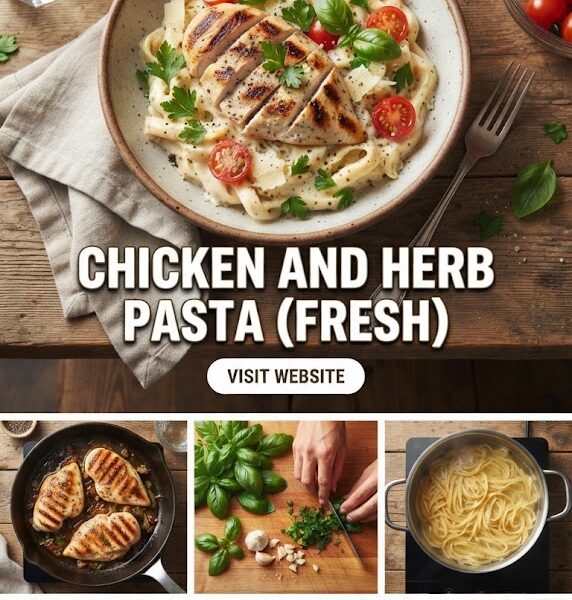
There is something undeniably magical about the combination of tender poultry, aromatic greens, and the silken texture of handmade noodles. Chicken and herb pasta is more than just a meal; it is a symphony of Mediterranean flavors that has become a staple in kitchens from the rolling hills of Tuscany to the modern dining rooms of New York and Los Angeles. When we speak of “fresh” chicken and herb pasta, we are not just talking about the ingredients being non-frozen; we are talking about a philosophy of cooking that prioritizes vibrancy, texture, and the marriage of simple elements to create something extraordinary.
In this comprehensive guide, we will explore every facet of this beloved dish. From the science of kneading the perfect pasta dough to the art of herb selection and the precise techniques for searing succulent chicken, this is your definitive roadmap to achieving restaurant-quality results at home.
The Foundation: Why Fresh Pasta Changes Everything
Before we even touch a sprig of rosemary or a chicken breast, we must address the canvas: the pasta. While high-quality dried pasta has its place, fresh pasta (pasta fresca) offers a delicate, almost velvety mouthfeel and a superior ability to absorb sauces.
The Science of the Dough
Fresh pasta typically consists of just two primary ingredients: flour and eggs. However, the ratio and type of flour used can drastically alter the outcome.
- 00 Flour: This is the gold standard for Italian pasta. It is finely milled and has a lower gluten content than bread flour, resulting in a tender bite.
- Semolina Flour: Often mixed with 00 flour, semolina adds a “toothsome” quality (al dente) and a beautiful golden hue.
- The Egg Factor: The fat in the yolks provides richness and a supple texture, while the proteins help the pasta hold its shape during boiling.
Hand-Kneading vs. Machine
The act of kneading is where the magic happens. As you work the dough, you develop the gluten network. For chicken and herb pasta, you want a dough that is elastic enough to be rolled thin but strong enough to carry the weight of the protein and the oils from the herbs. A well-rested dough (at least 30 minutes) allows the flour to fully hydrate, making it easier to roll into ribbons of fettuccine or wide sheets of pappardelle.
Selecting the Perfect Chicken
Not all chicken is created equal. For a dish where the chicken is a centerpiece, selection and preparation are paramount.
Thighs vs. Breasts
- Chicken Breasts: These are the traditional choice for herb pasta. They are lean and provide a clean flavor profile that allows the herbs to shine. However, they are prone to drying out.
- Chicken Thighs: Many chefs prefer boneless, skinless thighs. The slightly higher fat content makes them more forgiving during the searing process and provides a deeper, savorier flavor that pairs exceptionally well with woody herbs like rosemary and thyme.
The Art of the Sear
To achieve a golden-brown crust—the Maillard reaction—the chicken must be patted dry before hitting the pan. A wet chicken breast will steam rather than sear, resulting in a rubbery texture. Seasoning generously with salt and black pepper before cooking ensures that the flavor is embedded in the meat, not just sitting on top.
The Herb Garden: Defining Your Flavor Profile
The “herb” part of chicken and herb pasta is where you can truly express your culinary creativity. Herbs are not just garnishes; they are the soul of the sauce.
The “Big Three” for Pasta
- Basil: The king of Italian herbs. It provides a sweet, peppery finish. Always add fresh basil at the very end of cooking, as heat quickly dissipates its volatile oils.
- Italian Flat-Leaf Parsley: Unlike the curly variety, flat-leaf parsley has a robust, clean flavor that acts as a bridge between the savory chicken and the rich pasta.
- Oregano: Use this sparingly. It adds a pungent, earthy depth that screams “classic Mediterranean.”
Woody Herbs for Infusion
When sautéing your chicken, adding “hard” herbs to the oil creates a flavor-infused base:
- Rosemary: Its pine-like aroma is powerful. It pairs beautifully with lemon zest and garlic.
- Thyme: Subtle and floral, thyme is the perfect partner for a creamy herb sauce.
- Sage: If you are using a butter-based sauce, frying sage leaves until crisp provides a nutty, sophisticated crunch.
Crafting the Sauce: Three Variations
The sauce acts as the glue that binds the fresh pasta to the herb-laden chicken. Depending on your mood, you can take this dish in three distinct directions.
1. The Aglio e Olio Approach (Garlic and Oil)
This is the purist’s choice. It relies on high-quality extra virgin olive oil, thinly sliced garlic, and red pepper flakes. The “sauce” is created by emulsifying the oil with a splash of starchy pasta water, creating a light coating that highlights the freshness of the herbs.
2. The Creamy Herb Velouté
For a more indulgent meal, a splash of heavy cream or a dollop of mascarpone can be incorporated. The key is to not overwhelm the dish. You want a silken coating, not a heavy soup. Adding grated Parmigiano-Reggiano into the cream helps thicken the sauce naturally and adds a salty, umami kick.
3. The Lemon-Butter Emulsion
Lemon is the secret weapon of chicken pasta. The acidity cuts through the fat of the chicken and the richness of the pasta. By whisking cold butter into a reduction of lemon juice and white wine, you create a bright, vibrant sauce that makes the fresh herbs “pop.”
Master Recipe: Fresh Fettuccine with Herbed Chicken and Lemon-Garlic Butter
This recipe serves four and is designed to showcase the techniques discussed above.
Ingredients
For the Pasta:
- 400g “00” flour
- 4 large organic eggs
- 1 tbsp extra virgin olive oil
- A pinch of fine sea salt
For the Chicken and Sauce:
- 1.5 lbs chicken breast or thighs, cut into bite-sized strips
- 4 tbsp unsalted butter
- 3 tbsp extra virgin olive oil
- 6 cloves of garlic, thinly sliced
- 1 cup dry white wine (Pinot Grigio or Sauvignon Blanc)
- Zest and juice of 2 lemons
- 1/2 cup freshly grated Parmigiano-Reggiano
- A massive handful of fresh herbs: Basil, Parsley, and Chives
- 1 tsp crushed red pepper flakes
Step-by-Step Instructions
Step 1: Crafting the Pasta
- On a clean work surface, mound the flour and create a deep well in the center.
- Crack the eggs into the well, add the oil and salt.
- Using a fork, gently whisk the eggs, gradually incorporating flour from the inner walls of the well.
- Once a shaggy dough forms, begin kneading by hand. Fold, push, and turn the dough for about 8–10 minutes until it is smooth and elastic.
- Wrap in plastic and let it rest at room temperature for 30 minutes.
- Roll the dough out (using a machine or rolling pin) to your desired thickness and cut into fettuccine ribbons. Dust with semolina to prevent sticking.
Step 2: Searing the Chicken
- Heat 2 tablespoons of olive oil in a large skillet over medium-high heat.
- Season the chicken strips generously with salt and pepper.
- Sear the chicken in batches, ensuring not to crowd the pan. Cook until golden brown and cooked through (about 5-7 minutes).
- Remove the chicken from the pan and set aside.
Step 3: Building the Herb Sauce
- In the same skillet, lower the heat to medium. Add the remaining olive oil and 2 tablespoons of butter.
- Add the sliced garlic and red pepper flakes. Sauté until the garlic is fragrant and golden but not burnt.
- Deglaze the pan with white wine, scraping up the brown bits (fond) from the chicken. Let the wine reduce by half.
- Stir in the lemon juice and lemon zest.
Step 4: The Marriage
- Bring a large pot of heavily salted water to a boil. Drop the fresh pasta in. It will cook quickly—usually in 2–3 minutes.
- Using tongs, transfer the pasta directly from the water into the skillet with the sauce. Do not discard the pasta water.
- Add the cooked chicken back into the skillet.
- Add the remaining butter, the grated cheese, and half a cup of the starchy pasta water.
- Toss vigorously over medium heat until a glossy, emulsified sauce coats every strand of pasta.
- Turn off the heat and fold in your fresh herbs. The residual heat will release their aroma without wilting them into oblivion.
The Importance of Texture: Avoiding Common Pitfalls
Even with the best ingredients, chicken and herb pasta can fall flat if texture is ignored.
Mushy Pasta
Fresh pasta cooks incredibly fast. The difference between “al dente” and “mushy” is often a matter of 30 seconds. Always test a strand a minute before you think it’s done. Remember, it will continue to cook slightly when tossed in the warm sauce.
Dry Chicken
The most common mistake is overcooking the chicken during the initial sear. Aim for about 90% doneness in the pan; the final 10% will occur when the chicken is tossed back into the sauce to emulsify.
“Broken” Sauce
If your sauce looks oily rather than creamy, it has “broken.” This usually happens when the heat is too high or there isn’t enough pasta water. Starch is the stabilizer. If the sauce looks dry or oily, add another splash of pasta water and toss rapidly.
Advanced Techniques: Infusing Herbs into the Pasta Dough
For those who want to take “Fresh Chicken and Herb Pasta” to the professional level, consider Herb-Laminated Pasta.
This involves rolling out two very thin sheets of pasta dough. You then lay whole leaves of flat-leaf parsley or cilantro onto one sheet, place the second sheet on top, and run them through the pasta roller again. The result is a translucent noodle with beautiful, whole green leaves “pressed” inside. This not only looks stunning but ensures every bite has an herbal note embedded within the grain of the pasta.
Dietary Variations and Substitutions
In the modern American kitchen, flexibility is key. Here is how to adapt this classic for different needs:
- Gluten-Free: Use a high-quality 1-to-1 gluten-free flour blend. Note that GF dough often requires an extra egg or a bit of xanthan gum to mimic the elasticity of gluten.
- Dairy-Free: Substitute butter with a high-quality vegan butter or simply increase the amount of extra virgin olive oil. Instead of Parmesan, use toasted breadcrumbs (pangrattato) seasoned with nutritional yeast and garlic salt for a similar umami crunch.
- Vegetable Additions: While the focus is chicken and herbs, adding roasted cherry tomatoes, sautéed spinach, or blanched asparagus can add layers of color and nutrition.
The Role of Salt and Acidity
A 3500-word deep dive into pasta would be incomplete without discussing the “balance of power” in seasoning.
- Salt the Water: The water should taste like the sea. This is your only chance to season the pasta itself.
- The Power of Acid: If the dish tastes “heavy” or “dull,” it almost always needs more acid, not more salt. A final squeeze of fresh lemon juice or a teaspoon of high-quality white balsamic vinegar right before serving can transform the dish from “good” to “extraordinary.”
Regional Inspirations: From Liguria to the Amalfi Coast
While Chicken and Herb Pasta is a global favorite, we can draw inspiration from specific Italian regions:
- Liguria: Known for its pesto. Try a version where the herbs are pounded with pine nuts and Pecorino before being tossed with chicken and trofie pasta.
- Amalfi Coast: This is the home of lemons. A Pasta al Limone with herb-crusted chicken is the quintessential summer meal.
- Tuscany: Here, you might find bolder herbs like sage and rosemary paired with a heavier, hand-rolled pici pasta and rustic chunks of chicken.
Nutritional Benefits: A Balanced Powerhouse
Beyond the taste, this dish offers a fantastic nutritional profile.
- Lean Protein: Chicken provides essential amino acids for muscle repair and satiety.
- Herbal Antioxidants: Herbs like parsley and basil are packed with vitamins A, C, and K, as well as polyphenols that have anti-inflammatory properties.
- Energy-Dense Carbs: Fresh pasta provides the complex carbohydrates needed for sustained energy, especially if using a blend of whole-grain flours.
Pairing Wine with Chicken and Herb Pasta
The right wine can elevate the herbal notes of the dish.
- Sauvignon Blanc: The “grassy” notes of this wine mirror the fresh herbs in the pasta.
- Chardonnay (Unoaked): A crisp, citrusy Chardonnay complements the lemon-butter sauce and the richness of the chicken.
- Vermentino: A classic Italian white that has a slight saltiness, perfect for seafood or herb-based pasta dishes.
- Light Reds: If you prefer red, go for a chilled Beaujolais or a Pinot Noir. These are low in tannins and won’t overwhelm the delicate herbs.
The Art of Presentation
We eat with our eyes first. To make your Chicken and Herb Pasta look like it came from a Michelin-starred kitchen:
- Twirl the Pasta: Use a carving fork and a large spoon to create a neat “nest” of pasta in the center of the bowl.
- Top with Chicken: Place the chicken pieces on top of the nest rather than burying them.
- The “Green” Finish: Save some of the finest-chopped herbs to sprinkle at the very end.
- Micro-Plane the Cheese: Instead of large shreds, use a micro-plane to create a “snow” of Parmesan over the dish.
Troubleshooting Your Pasta Dough
If your dough is too dry and crumbly, add water one teaspoon at a time. If it is too sticky and clings to your fingers, add a dusting of flour. The environment—humidity and temperature—plays a huge role in how your dough behaves. On a rainy day, you may find you need more flour; in a dry, heated kitchen, you may need an extra splash of olive oil.
Conclusion: The Joy of the Process
The beauty of Fresh Chicken and Herb Pasta lies in the process. It is a dish that encourages you to slow down—to feel the texture of the flour, to smell the release of oils as you chop fresh basil, and to hear the sizzle of the chicken in the pan. It is a testament to the fact that the best meals don’t require expensive gadgets or exotic ingredients; they require technique, patience, and a deep respect for the freshness of the components.
Whether you are cooking a romantic dinner for two or a Sunday feast for the family, mastering this dish will cement your status as a home chef who understands the fundamental balance of flavor. So, clear your counter, flour your rolling pin, and prepare to create a bowl of pasta that is as vibrant and fresh as a summer garden.
Final Summary of Key Principles
- Freshness First: Use the highest quality eggs and flour you can find.
- Herb Management: Differentiate between “cooking herbs” (rosemary, thyme) and “finishing herbs” (basil, parsley).
- Emulsification: Never skip the pasta water; it is the secret to a restaurant-quality sauce.
- Searing: Achieve a deep golden crust on your chicken for maximum flavor.
- Balance: Use lemon and salt to brighten and enhance the natural flavors of the ingredients.
By following these guidelines, your Fresh Chicken and Herb Pasta will not only satisfy the palate but also provide a sensory experience that lingers long after the last bite. This is the art of Italian-American fusion at its finest—simple, elegant, and timeless.