 admin
admin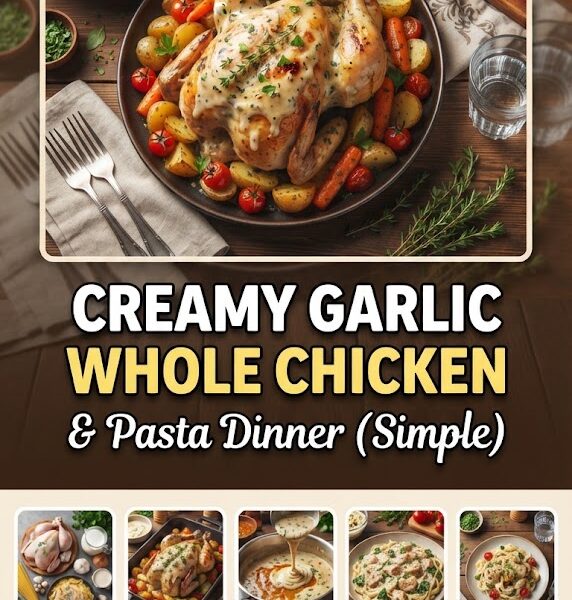
In the pantheon of home-cooked meals, few dishes achieve the legendary status of a perfectly executed Chicken and Garlic Pasta. It is the ultimate culinary paradox: sophisticated enough for a candlelit date night, yet simple enough to whip up on a frantic Tuesday evening after a long commute. This dish represents the heart of Mediterranean-inspired comfort food, relying on a handful of high-quality ingredients to create a symphony of flavors that resonate with almost everyone.
When we talk about “simple” cooking, we aren’t talking about a lack of flavor or effort. Instead, we are discussing the art of minimalism—letting the punchy aroma of sautéed garlic, the savory sear of golden chicken, and the silky texture of olive oil-coated pasta take center stage. This guide will walk you through everything you need to know to master this staple, from the science of the perfect sear to the secret of “liquid gold” pasta water.
Why Chicken and Garlic Pasta is the Perfect Weeknight Hero
The beauty of this recipe lies in its efficiency. In less than 30 minutes, you can transform raw ingredients into a restaurant-quality meal. But why does this specific combination work so well?
- Balanced Nutrition: You get lean protein from the chicken, complex carbohydrates from the pasta, and healthy fats from the olive oil.
- Flavor Versatility: It serves as a blank canvas. Want it spicy? Add red pepper flakes. Want it earthy? Toss in some spinach or mushrooms.
- Universal Appeal: It’s a kid-friendly meal that adults also crave. There are no “scary” ingredients, just pure, honest flavor.
- Affordability: Most of the ingredients are likely already in your pantry or fridge.
Selecting the Finest Ingredients: The Foundation of Flavor
Because this recipe has so few components, the quality of each ingredient becomes paramount. You cannot hide behind a heavy, bottled sauce here.
The Chicken: Breast vs. Thigh
The perennial debate in the kitchen: which cut is better?
- Chicken Breast: The leanest option. If cooked correctly, it provides a clean, mild flavor. To prevent it from drying out, it’s crucial to slice it thinly and sear it quickly over high heat.
- Chicken Thighs: Often preferred by chefs for their higher fat content and tenderness. They are much harder to overcook and provide a richer, more “chicken-y” flavor. For this recipe, boneless, skinless thighs are a fantastic choice.
Garlic: The Heart of the Dish
Never, under any circumstances, use the pre-minced garlic found in jars. That garlic has lost its potent oils and often has a metallic aftertaste.
- Fresh Bulbs: Look for firm bulbs with tight skins.
- Preparation: Thinly sliced garlic (à la Goodfellas) provides a mellow, sweet flavor, while minced garlic offers a more aggressive, pungent kick. Using a combination of both can add layers of depth to your sauce.
The Pasta: Choosing Your Vessel
While you can technically use any shape, some are better suited for oil-based sauces.
- Spaghetti or Linguine: The classic choice. Long strands provide a large surface area for the garlic oil to cling to.
- Penne or Fusilli: Great if you want the garlic and bits of chicken to get trapped inside the ridges and tubes.
- Whole Wheat or Chickpea Pasta: Excellent alternatives for those looking to increase fiber or protein content.
The Oil and Fat
This isn’t just for cooking; it is the sauce.
- Extra Virgin Olive Oil (EVOO): Use a high-quality oil with a peppery finish.
- Butter: Adding a tablespoon of cold, unsalted butter at the end creates an emulsion, making the sauce creamy without the need for heavy cream.
Essential Kitchen Tools for the Perfect Pasta
Before you turn on the stove, ensure you have these tools ready:
- A Large Pot: Pasta needs plenty of water to move around; otherwise, it becomes gummy.
- A Heavy-Bottomed Skillet: Cast iron or stainless steel is best for getting that golden-brown crust on the chicken (the Maillard reaction).
- Tongs: Essential for tossing the pasta and ensuring every strand is coated.
- Microplane/Grater: For that final flurry of fresh Parmesan cheese.
The Step-by-Step Guide to Chicken and Garlic Pasta Perfection
1. Prepping the Chicken
Pat your chicken dry with paper towels. This is a crucial step—moisture is the enemy of browning. Season generously with salt and freshly cracked black pepper. If you want an extra layer of flavor, a pinch of dried oregano or paprika works wonders.
2. The Pasta Water Ritual
Bring a large pot of water to a rolling boil. Add enough salt so that it “tastes like the sea.” This is your only chance to season the pasta itself. Do not add oil to the water; it prevents the sauce from sticking to the noodles later.
3. Searing for Success
Heat your skillet over medium-high heat with a swirl of olive oil. Add the chicken in a single layer. Don’t crowd the pan, or the chicken will steam instead of sear. Let it sit undisturbed for 3-4 minutes until a golden crust forms, then flip. Once cooked through, remove the chicken from the pan and set it aside to rest.
4. The Garlic Infusion
Lower the heat to medium. Add more olive oil if the pan looks dry. Add your garlic and a pinch of red pepper flakes. The goal here is to infuse the oil, not to burn the garlic. As soon as the garlic becomes fragrant and turns a light golden tan (about 1-2 minutes), it’s ready.
5. The “Liquid Gold” Secret
Before draining your pasta, reserve at least one cup of the starchy cooking water. This is the secret ingredient used by every Italian grandmother. The starch in the water acts as a bridge between the fat (oil/butter) and the pasta, creating a cohesive sauce.
6. The Assembly
Add the cooked pasta directly into the skillet with the garlic oil. Pour in the rested chicken (and any juices on the plate). Add a splash of the reserved pasta water and a knob of butter. Toss vigorously over medium heat. You will see the liquid transform into a glossy, silken sauce that coats every inch of the dish.
7. The Finishing Touches
Turn off the heat. Stir in a generous handful of chopped fresh parsley and a squeeze of fresh lemon juice. The acidity of the lemon cuts through the richness of the oil and brings the whole dish to life. Top with freshly grated Parmesan or Pecorino Romano.
Secrets to an Award-Winning Sauce: Emulsification 101
Many home cooks struggle with oil-based pastas because the oil simply pools at the bottom of the bowl. The key to avoiding this is emulsification.
An emulsion is a mixture of two liquids that usually don’t mix (like oil and water). By tossing the pasta quickly with the starchy water and the fat over heat, you are forcing them to bond. This creates a “creaminess” without using a drop of cream. If the pasta looks dry, add more water. If it looks too watery, keep tossing; the heat will evaporate the excess moisture and thicken the starch.
Creative Variations and Substitutions
Once you have mastered the basic Chicken and Garlic Pasta, you can start experimenting with these variations:
The Creamy Garlic Version
If you prefer a richer sauce, add 1/2 cup of heavy cream and 1/2 cup of Parmesan cheese to the garlic oil before adding the pasta. Simmer until slightly thickened for a “white sauce” feel.
The Mediterranean Twist
Add sun-dried tomatoes, kalamata olives, and artichoke hearts during the garlic sauté phase. Finish with crumbled feta cheese instead of Parmesan.
The Garden Veggie Boost
This dish is a great way to clear out the crisper drawer. Asparagus, broccolini, spinach, or zucchini slices can be sautéed right along with the chicken.
The Spicy Arrabiata Style
Increase the red pepper flakes to one tablespoon and add a splash of balsamic vinegar or a few burst cherry tomatoes for a zesty, fiery kick.
Perfect Pairings: What to Serve Alongside
To turn this simple pasta into a full-course feast, consider these pairings:
- Bread: A warm, crusty baguette or homemade garlic bread is essential for mopping up the leftover garlic oil.
- Salad: A bright, acidic arugula salad with a simple lemon vinaigrette balances the savory weight of the pasta.
- Wine: A crisp, dry white wine like Pinot Grigio or Sauvignon Blanc complements the garlic and lemon. If you prefer red, a light-bodied Chianti or Pinot Noir works beautifully.
- Dessert: Something light and citrusy, like a lemon sorbet or a slice of olive oil cake, rounds out the meal perfectly.
Storage, Reheating, and Meal Prep Tips
Chicken and Garlic Pasta is a meal prep superstar, but it requires a little care to stay delicious.
- Storage: Store in an airtight container in the refrigerator for up to 3-4 days.
- Reheating: Never use the microwave if you can avoid it—it can make the chicken rubbery and the pasta mushy. Instead, reheat in a skillet over low heat. Add a splash of water or chicken broth to loosen the sauce and bring back that silky texture.
- Freezing: While you can freeze it, pasta often changes texture when thawed. If you must freeze, undercook the pasta by 2 minutes so it doesn’t turn to mush when reheated.
Frequently Asked Questions (FAQs)
Q: Can I use frozen chicken? A: Yes, but ensure it is fully thawed and patted dry before cooking. Frozen chicken often releases more water, so you may need to sear it in smaller batches to get a good crust.
Q: My garlic turned bitter. What happened? A: Garlic burns very quickly. If it turns dark brown or black, it will be bitter. The moment you smell it and see it turn golden, move to the next step or remove the pan from the heat.
Q: Is this recipe healthy? A: Generally, yes! It uses whole ingredients and lean protein. To make it even healthier, use whole-grain pasta, double the vegetables, and go light on the butter and cheese.
Q: Can I make this gluten-free? A: Absolutely. Use your favorite gluten-free pasta (corn, rice, or lentil-based). Just be aware that gluten-free pasta water is often starchier, so you might need less of it for the sauce.
The Cultural Significance of the Garlic-Chicken-Pasta Trio
While this dish feels modern, its roots are deeply embedded in Aglio e Olio, a traditional Italian pasta dish from Naples. By adding chicken, we take a peasant dish and turn it into a high-protein meal that suits the modern Western palate. It represents the “Cucina Povera” philosophy—making something magnificent out of humble, shelf-stable ingredients. In the USA, this dish has become a symbol of the “30-minute meal” movement, proving that we don’t have to sacrifice health or flavor for the sake of time.
Conclusion: Embracing the Simplicity
The Simple Chicken and Garlic Pasta is more than just a recipe; it’s a foundational skill for any home cook. It teaches you about heat control, seasoning, and the magic of emulsification. It reminds us that at the end of a long day, a bowl of warm, garlic-scented noodles topped with tender chicken is often the best medicine.
Whether you are cooking for a family of four or just yourself, this dish promises satisfaction. It is a testament to the fact that great food doesn’t need to be complicated—it just needs to be prepared with care and the right techniques. So, grab your skillet, peel those garlic cloves, and get ready to enjoy one of the most comforting meals in your culinary repertoire.
Title Tag: Simple Chicken and Garlic Pasta Recipe – Easy 20-Minute Dinner Meta Description: Learn how to make the best Simple Chicken and Garlic Pasta. A quick, healthy, and delicious weeknight meal using fresh ingredients, garlic-infused oil, and tender chicken. Keywords: chicken and garlic pasta, easy pasta recipe, 30 minute meals, garlic butter chicken, healthy dinner ideas, mediterranean pasta, simple chicken recipes, pasta with garlic and oil, weeknight dinner USA.