
 admin
admin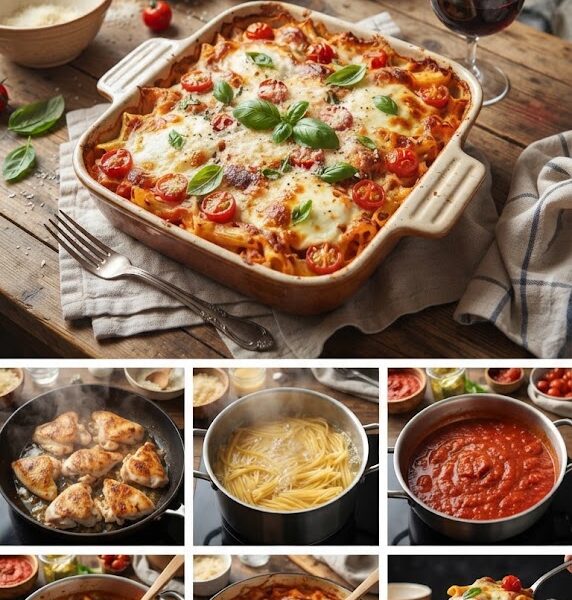
There is something profoundly soul-soothing about a dish that emerges from the oven bubbling, golden-brown, and fragrant enough to fill every corner of a home. The Chicken and Tomato Pasta Bake is not merely a recipe; it is a culinary embrace. It is the answer to hectic weeknights, the centerpiece of cozy Sunday family dinners, and the ultimate leftover hero.
In this comprehensive guide, we will dive deep into the mechanics of the perfect pasta bake. We will explore the science of selecting the right pasta shape, the art of simmering a robust tomato sauce, and the secrets to keeping chicken succulent even after a trip through a high-heat oven. Whether you are a novice home cook or a seasoned kitchen veteran, this exploration will elevate your pasta game to professional heights.
Why the Chicken and Tomato Pasta Bake Rules the Kitchen
In the vast world of gastronomy, few pairings are as iconic as chicken and tomato. This duo provides a perfect balance of lean protein and acidic brightness. When you add pasta into the mix, you introduce the essential element of “chew” and comfort.
The magic of a “bake” (or pasta al forno, as the Italians call it) lies in the secondary cooking process. Unlike a standard stovetop pasta where the sauce just coats the noodles, a bake allows the flavors to fuse. The pasta absorbs the tomato juices, the cheese melts into the crevices of the chicken, and the top layer transforms into a crunchy, caramelized crust that provides a necessary textural contrast to the soft interior.
The Foundation: Choosing Your Ingredients
To create a world-class dish, you must start with high-quality components. Let’s break down the essential elements of this masterpiece.
1. The Pasta: Shape Matters
Not all pasta is created equal when it comes to baking. You need a shape with “nooks and crannies” to trap the sauce and bits of chicken.
- Penne Rigate: The ridges (rigate) help the sauce cling to the exterior, while the hollow center stores pockets of tomato goodness.
- Rigatoni: Larger and heartier than penne, rigatoni is the gold standard for bakes. It holds its shape remarkably well under heat.
- Fusilli or Rotini: The spirals act like a screw, winding the sauce around the pasta for a flavor-packed bite every time.
- Shells (Conchiglie): These act like little scoops for the sauce and melted cheese.
Pro Tip: Always cook your pasta 2-3 minutes less than the package’s “al dente” instructions. It will finish cooking in the oven by absorbing the sauce. If you cook it fully on the stove, it will turn into mush during the bake.
2. The Chicken: Succulence is Key
The most common mistake in a chicken pasta bake is dry, rubbery meat. To avoid this, consider your cut:
- Chicken Thighs: Boneless, skinless thighs are the secret weapon of pro cooks. They have a higher fat content, making them more flavorful and much harder to overcook.
- Chicken Breast: If you prefer lean meat, ensure you sear it quickly over high heat to lock in juices, but keep the interior slightly underdone before it goes into the oven.
- Rotisserie Chicken: Short on time? A store-bought rotisserie chicken shredded into the mix adds a lovely roasted depth and saves twenty minutes of prep.
3. The Tomato Base: Fresh vs. Canned
For a truly “Google-ranked” flavor profile, the sauce needs layers.
- Canned San Marzano Tomatoes: These are the gold standard. Grown in volcanic soil, they are sweeter and less acidic than standard canned tomatoes.
- Tomato Paste: This is essential for “umami.” Frying the paste with your aromatics for two minutes before adding liquid concentrates the flavor.
- Fresh Cherry Tomatoes: Dropping a handful of whole cherry tomatoes into the bake adds “bursts” of fresh acidity that cut through the heavy cheese.
4. The Cheese: The “Glue” of the Dish
A great pasta bake uses a blend of cheeses to achieve different goals:
- Mozzarella: For that iconic, stretchy cheese pull.
- Parmesan or Grana Padano: For a salty, nutty punch and a golden crust.
- Ricotta: Small dollops tucked inside the pasta create “creamy islands” of surprise.
- Sharp Cheddar: Adds a tang that complements the sweetness of the tomatoes.
The Master Recipe: Step-by-Step
Ingredients List
- 1 lb (500g) Rigatoni or Penne pasta
- 1.5 lbs (700g) Chicken thighs, cut into bite-sized pieces
- 28 oz (800g) Crushed tomatoes (preferably San Marzano)
- 2 tbsp Tomato paste
- 1 large Yellow onion, finely diced
- 4 cloves Garlic, minced
- 1 tsp Dried oregano
- 1/2 tsp Red chili flakes (optional for heat)
- 2 cups Shredded Mozzarella
- 1/2 cup Grated Parmesan
- Fresh Basil leaves for garnish
- Extra Virgin Olive Oil
- Salt and Black Pepper to taste
Phase 1: The Searing
Heat a large skillet or Dutch oven over medium-high heat with a splash of olive oil. Season the chicken pieces generously with salt and pepper. Sear the chicken in batches—do not crowd the pan, or the chicken will steam rather than brown. You want a golden-brown crust. Remove the chicken and set aside; it doesn’t need to be cooked through yet.
Phase 2: Building the Aromatics
In the same pan, add the diced onion. The moisture from the onion will help deglaze the pan, picking up the “fond” (the brown bits) left by the chicken. Once the onions are translucent, add the garlic, oregano, and chili flakes. Cook for 1 minute until fragrant. Add the tomato paste and stir constantly for 2 minutes until it turns a deep brick red.
Phase 3: The Sauce Simmer
Pour in the crushed tomatoes. Reduce heat to low and let the sauce simmer for 10-15 minutes. This allows the flavors to meld and the acidity to mellow. Taste the sauce! If it’s too acidic, add a pinch of sugar.
Phase 4: The Par-Boil
While the sauce simmers, boil a large pot of heavily salted water (it should taste like the sea). Add your pasta and cook for exactly 3 minutes less than the “al dente” time. Reserve 1/2 cup of pasta water before draining.
Phase 5: The Assembly
Combine the par-cooked pasta, the seared chicken, and the tomato sauce in a large bowl or directly in the Dutch oven. Add the reserved pasta water—the starch in the water helps the sauce bind to the noodles. Stir in half of the mozzarella.
Phase 6: The Bake
Transfer the mixture to a 9×13 inch baking dish. Top evenly with the remaining mozzarella and the Parmesan. Temperature: 400°F (200°C). Time: 20-25 minutes. The Finish: Switch to the broiler for the last 2-3 minutes to get those brown, crispy cheese spots.
Elevating the Dish: Gourmet Variations
Once you have mastered the basic Chicken and Tomato Pasta Bake, you can experiment with these “upgrade” versions to suit different palates.
The Mediterranean Twist
Add a handful of pitted Kalamata olives, a tablespoon of drained capers, and some marinated artichoke hearts to the sauce. Swap half of the mozzarella for crumbled Feta cheese. The result is a salty, tangy, and sophisticated version of the classic.
The “Hidden Veggie” Powerhouse
This is perfect for parents. Finely grate zucchini and carrots and sauté them along with the onions. They will practically melt into the sauce, adding nutrition and thickness without changing the flavor profile significantly. You can also stir in two cups of fresh baby spinach at the very end of the sauce-making process; the heat of the sauce will wilt it perfectly.
The Spicy Arrabiata Style
Double the red chili flakes and add sliced spicy Italian sausage alongside the chicken. The heat of the peppers paired with the sweetness of the tomatoes creates a bold, invigorating meal.
The Creamy “Pink Sauce” Version
Stir 1/2 cup of heavy cream or mascarpone into the tomato sauce before mixing it with the pasta. This creates a “Rosa” sauce that is incredibly indulgent and helps mellow out the acidity of the tomatoes even further.
The Science of the “Golden Crust”
Why is the top of a pasta bake so delicious? It’s due to the Maillard Reaction and caramelization. When the proteins in the cheese and the sugars in the tomato sauce are exposed to the dry, intense heat of the oven, they undergo a chemical transformation that creates hundreds of new flavor compounds.
To maximize this:
- Don’t cover with foil for the whole time: If you cover the dish, you are steaming it. If you are worried about it drying out, cover it for the first 15 minutes, but always uncover it for the final 10.
- Breadcrumb Trick: Mix 1/4 cup of Panko breadcrumbs with a little melted butter and Parmesan. Sprinkle this over the cheese before baking for an extra-audible crunch.
- High Fat Cheese: Low-fat mozzarella doesn’t melt or brown well; it tends to burn or become rubbery. Stick to whole-milk mozzarella for the best results.
Meal Prepping and Make-Ahead Strategies
The Chicken and Tomato Pasta Bake is a meal-prepper’s dream. Because it is a “wet” dish, it doesn’t dry out as easily as a stir-fry or a steak when reheated.
Make-Ahead Instructions
You can assemble the entire dish (up to the point of baking) 24 hours in advance. Cover it tightly with plastic wrap and store it in the refrigerator. When you are ready to eat, take it out of the fridge 30 minutes before baking to take the chill off. You may need to add an extra 10 minutes to the baking time.
Freezing
This dish freezes beautifully. If freezing, it is best to use a disposable aluminum tray. Wrap it in a double layer of foil to prevent freezer burn. It will stay fresh for up to 3 months. To cook from frozen, bake at 375°F (190°C) for 1 hour, removing the foil for the last 15 minutes.
Nutritional Breakdown: A Balanced Plate
While pasta bakes are often labeled as “heavy,” they are actually quite balanced if you look at the macronutrients:
- Carbohydrates: The pasta provides sustained energy, especially if you opt for whole-wheat or chickpea pasta variants.
- Protein: The chicken is a high-quality lean protein essential for muscle repair and satiety.
- Vitamins: Tomatoes are packed with Lycopene, a powerful antioxidant that becomes more bioavailable when cooked.
- Calcium: The cheese provides a significant dose of your daily calcium needs.
To make the dish “lighter,” simply increase the ratio of vegetables to pasta and use a bit less cheese on top.
Common Mistakes and How to Avoid Them
1. The “Watery Bake”
If your bake ends up with a pool of liquid at the bottom, it’s usually because the vegetables (like onions or mushrooms) weren’t cooked down enough, or the sauce was too thin. Solution: Ensure your sauce is thick enough to coat a spoon before mixing it with the pasta.
2. Mushy Pasta
As mentioned before, this is the #1 complaint. Solution: Underestimate the boiling time. If the box says 10 minutes, boil for 6 or 7. The pasta should be firm—almost slightly crunchy in the middle—when it goes into the oven.
3. Blandness
Tomato sauce needs seasoning at every stage. Solution: Salt your pasta water, salt your chicken, and salt your sauce. A splash of balsamic vinegar or a squeeze of lemon juice at the end can also “wake up” the flavors.
Perfect Pairings: What to Serve Alongside
To turn this dish into a full-scale feast, consider these accompaniments:
The Side Salad
A bright, acidic salad is the perfect foil for a rich pasta bake. A simple Arugula and Shaved Parmesan Salad with a lemon-olive oil vinaigrette provides a peppery freshness that cleanses the palate.
The Bread
You can’t have a pasta bake without something to mop up the leftover sauce. Garlic Bread with plenty of parsley and butter is the classic choice. For a more rustic feel, try a warm Focaccia topped with rosemary and sea salt.
The Wine
- Red: A medium-bodied Italian red like Chianti or Barbera. The acidity in these wines matches the acidity of the tomatoes perfectly.
- White: If you prefer white, go for a crisp Pinot Grigio or a Sauvignon Blanc. Avoid heavily oaked Chardonnays, as they can clash with the tomato.
Cultural Context: The History of the Pasta Bake
The concept of baking pasta is deeply rooted in Southern Italian tradition. Known as Pasta al Forno, these dishes were historically “empty the cupboard” meals. Families would take leftover pasta, mix it with whatever meat and cheese were available, and bake it to give it a new life.
In the United States, the pasta bake became a staple of mid-century “casserole culture.” It represented the post-war era’s focus on convenience, family-sized portions, and heartiness. Today, it remains a symbol of domestic warmth across the globe.
Frequently Asked Questions (FAQs)
Can I use precooked chicken? Yes! This is a great way to use up leftover roast chicken or turkey. Just skip the searing step and mix the cooked meat directly into the sauce.
Is it possible to make this dairy-free? Absolutely. There are many high-quality vegan mozzarellas that melt well. Alternatively, you can top the bake with a mixture of nutritional yeast and breadcrumbs for a cheesy flavor without the dairy.
What is the best way to reheat leftovers? The microwave is fine for speed, but the oven is better for texture. Place a portion in an oven-safe dish, add a tiny splash of water to keep it moist, cover with foil, and heat at 350°F until warmed through.
Can I use different meats? Certainly. Ground beef, Italian sausage, or even shrimp (added in the last 10 minutes of baking) work wonderfully with the tomato-pasta base.
Final Thoughts: The Joy of the Bake
The Chicken and Tomato Pasta Bake is more than just a combination of ingredients; it is a ritual. From the sizzle of the chicken in the pan to the final, anxious wait while the cheese browns in the oven, it is a dish that requires a little bit of time but gives back so much in return.
In an age of “fast food” and “instant meals,” taking 45 minutes to craft a homemade bake is an act of self-care. It’s a meal that invites people to sit down, put away their phones, and enjoy the simple, timeless pleasure of a hot, home-cooked dinner. So, grab your favorite pasta shape, find the best tomatoes you can, and get baking. Your kitchen—and your family—will thank you.